



The Ivy League represents the pinnacle of higher education in the United States, renowned worldwide for its academic excellence, elite reputation, and centuries-long traditions. Comprising eight prestigious private universities, the Ivy League is synonymous with rigorous academics, groundbreaking research, and an influential network of alumni that includes world leaders, innovators, and Nobel laureates. Students from across the globe aspire to secure admission into these institutions because of the unparalleled opportunities they provide for intellectual growth, career advancement, and personal development.
What makes the Ivy League truly unique is not just its top-ranking programs but also the culture of holistic learning. These universities focus on nurturing critical thinking, creativity, and leadership, preparing students to make a significant impact in their chosen fields. Beyond academics, the Ivy League experience includes vibrant campus life, diverse extracurricular activities, and access to world-class resources that foster both personal and professional growth.
In this article, we will explore the top Ivy League schools, their history, offerings, facilities, tuition fees, and admission process. By the end, you’ll gain a comprehensive understanding of why these universities continue to be the most sought-after educational institutions in the world.
Brief History of the Ivy League
The term “Ivy League” originally referred to an athletic conference formed in 1954, but over time, it has become synonymous with academic excellence, prestige, and elite higher education. The Ivy League consists of eight private universities in the Northeastern United States, each with a long and rich history dating back to the 17th and 18th centuries. These schools were initially established to train clergy and provide higher education in a time when formal learning opportunities were scarce in America.
Over the centuries, the Ivy League institutions expanded beyond religious training to become centers of research, innovation, and leadership. They have produced countless influential alumni, including U.S. presidents, Nobel Prize winners, CEOs of major corporations, and leading scholars across various fields.
Academics aside, the Ivy League also emphasizes extracurricular development, fostering a well-rounded education that values athletics, arts, and community engagement. The combination of strong academic programs, extensive resources, and a culture of excellence has cemented the Ivy League’s reputation as the most prestigious group of universities in the United States.
Today, these eight universities are celebrated not only for their academic rigor but also for the network of opportunities they offer students, making them aspirational destinations for learners worldwide. Their enduring legacy continues to inspire students to strive for intellectual achievement and leadership.
Ivy League Schools Overview
| University | Location | Founded | Popular Programs |
| Harvard University | Cambridge, Massachusetts | 1636 | Business, Law, Medicine, Engineering |
| Yale University | New Haven, Connecticut | 1701 | Law, Arts, Science, Drama |
| Princeton University | Princeton, New Jersey | 1746 | Humanities, Engineering, Public Policy |
| Columbia University | New York City, New York | 1754 | Journalism, Business, Law |
| University of Pennsylvania (UPenn) | Philadelphia, Pennsylvania | 1740 | Business (Wharton), Medicine, Engineering |
| Brown University | Providence, Rhode Island | 1764 | Open Curriculum, Humanities, Sciences |
| Dartmouth College | Hanover, New Hampshire | 1769 | Liberal Arts, Business, Engineering |
| Cornell University | Ithaca, New York | 1865 | STEM, Agriculture, Hotel Management |
Harvard University
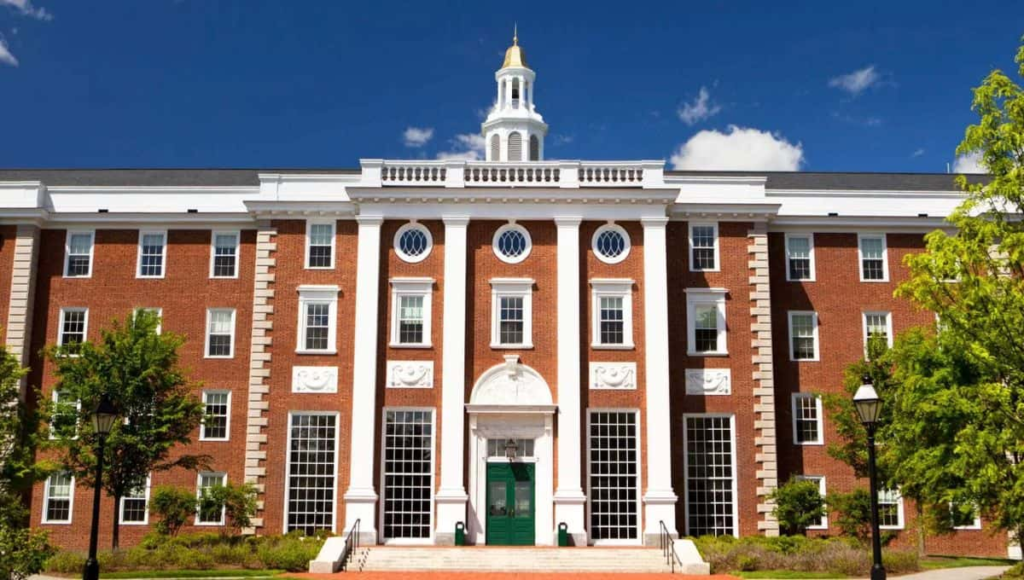
Harvard University, founded in 1636 in Cambridge, Massachusetts, is the oldest institution of higher education in the United States. Known worldwide for its academic excellence, prestigious faculty, and influential alumni, Harvard consistently ranks among the top universities globally. Its mission focuses on fostering intellectual growth, leadership, and innovation across a wide range of disciplines.
Programs Offered:
Harvard University offers a wide variety of programs designed to cater to the diverse academic and professional interests of students. Its undergraduate and graduate programs span business, law, medicine, engineering, arts, humanities, and social sciences. Notably, Harvard Business School, Harvard Law School, and Harvard Medical School are globally recognized for their excellence and leadership in producing skilled professionals and innovators. The university also emphasizes interdisciplinary studies and research, allowing students to explore multiple fields and gain a well-rounded education.
Facilities:
- Modern libraries and research laboratories
- State-of-the-art lecture halls and art centers
- Athletic complexes and recreational facilities
- Residential houses and student centers for campus life
Tuition Fees:
Harvard’s tuition costs vary depending on the program. Undergraduate students can expect to pay approximately $57,000 per year (2025 estimate), while graduate programs such as Harvard Business School and Harvard Law School may cost around $77,000 and $71,000 per year, respectively. The university offers financial aid based on need, making it possible for students from diverse economic backgrounds to access a Harvard education.
Admission Process / How to Apply:
- Submit the Common Application with Harvard-specific essays
- Provide transcripts and recommendation letters
- Submit standardized test scores (SAT/ACT optional for some programs)
- Interview (optional but recommended)
- Decision notification: March for Early Action, April for Regular Decision
Yale University
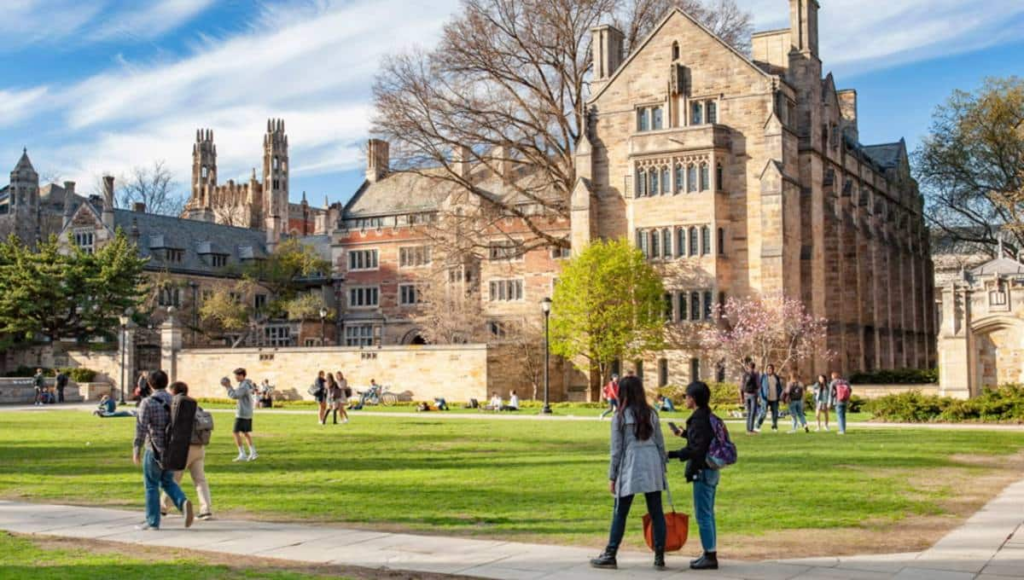
Yale University, established in 1701 in New Haven, Connecticut, is one of the oldest and most prestigious universities in the United States. Renowned for its rigorous academics, distinguished faculty, and a vibrant intellectual community, Yale consistently ranks among the top universities globally. It is especially known for producing leaders in law, politics, arts, and sciences, and its alumni network includes U.S. presidents, Nobel laureates, and influential professionals worldwide.
Programs Offered:
Yale offers a broad spectrum of undergraduate, graduate, and professional programs across multiple fields. Students can pursue degrees in law, arts, science, engineering, social sciences, and drama. Yale Law School, Yale School of Drama, and Yale School of Management are particularly notable for their academic excellence and leadership training. The university encourages interdisciplinary studies, research opportunities, and experiential learning, allowing students to gain a well-rounded education and prepare for diverse career paths.
Facilities:
- Modern libraries, research labs, and lecture halls
- Art centers, theaters, and music facilities
- Athletic complexes and recreational centers
- Residential colleges and student centers supporting campus life
Tuition Fees:
Yale’s tuition varies depending on the program. Undergraduate tuition is approximately $60,000 per year (2025 estimate), while graduate programs such as Yale Law School and Yale School of Management may cost around $72,000 to $75,000 per year. The university provides financial aid based on need, making it accessible to qualified students from various economic backgrounds.
Admission Process / How to Apply:
- Submit the Common Application with Yale-specific essays
- Provide transcripts and recommendation letters
- Submit standardized test scores (SAT/ACT optional for some programs)
- Interview (optional but recommended)
- Decision notification: February for Early Action, March-April for Regular Decision
Princeton University
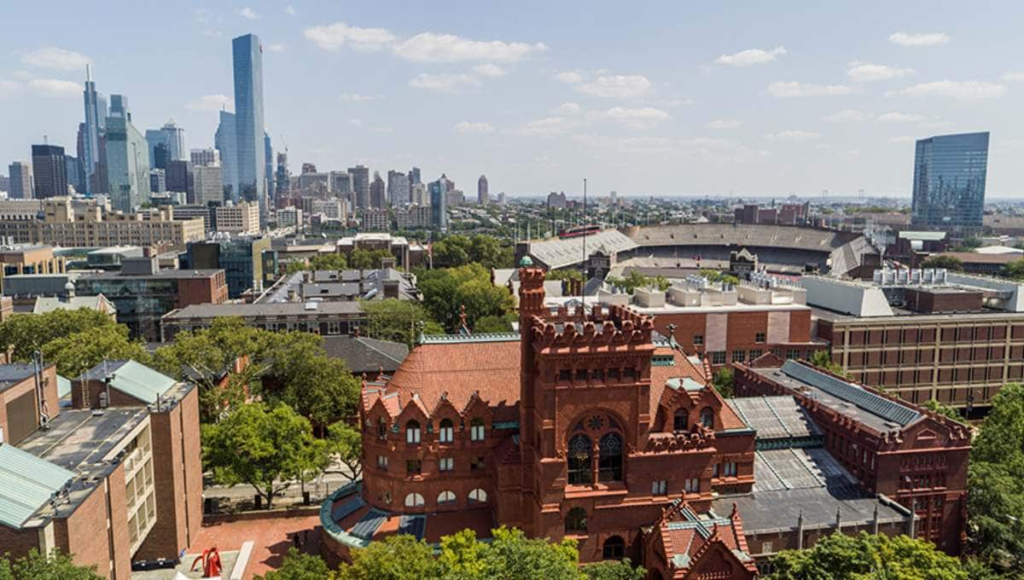
Princeton University, founded in 1746 in Princeton, New Jersey, is one of the oldest and most prestigious Ivy League universities. It is renowned for its academic rigor, distinguished faculty, and commitment to undergraduate education. Princeton emphasizes a close-knit academic community, fostering intellectual growth, creativity, and leadership. Its alumni include Nobel laureates, U.S. presidents, and leading figures in science, politics, and the arts.
Programs Offered:
Princeton offers a wide range of undergraduate and graduate programs across humanities, social sciences, natural sciences, engineering, and public policy. The university is especially known for its strong programs in humanities, mathematics, physics, and public affairs. Students are encouraged to engage in independent research, interdisciplinary studies, and experiential learning, which provide a solid foundation for leadership and innovation in various fields.
Facilities:
- Advanced research laboratories and modern classrooms
- Extensive libraries and archives
- Arts centers, theaters, and performance spaces
- Athletic complexes, recreational facilities, and residential colleges
Tuition Fees:
Princeton’s tuition for undergraduate students is approximately $57,000 per year (2025 estimate). Graduate programs vary, with professional programs such as engineering or public affairs costing around $55,000 to $65,000 annually. Princeton provides generous financial aid packages based on need, making it accessible to students from diverse economic backgrounds.
Admission Process / How to Apply:
- Submit the Common Application or Coalition Application with Princeton-specific essays
- Provide transcripts and recommendation letters
- Submit standardized test scores (SAT/ACT optional for some programs)
- Interview (optional, arranged locally if possible)
- Decision notification: Early Action in November, Regular Decision in late March
Columbia University
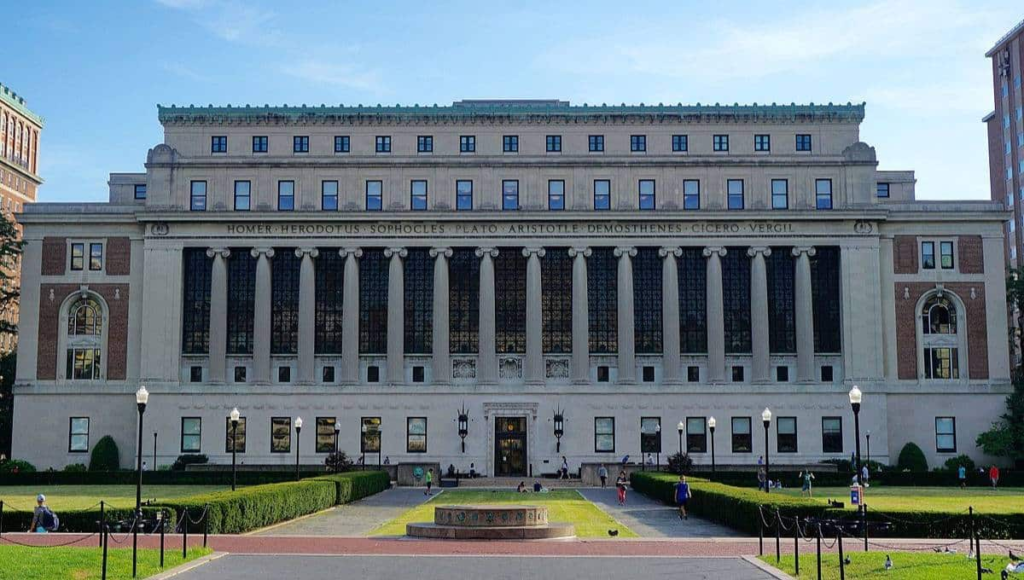
Columbia University, founded in 1754 in New York City, is an Ivy League institution known for its rigorous academics, prestigious faculty, and global influence. Situated in the heart of Manhattan, Columbia offers students access to world-class cultural, research, and professional opportunities. Its alumni include Nobel laureates, influential policymakers, and leaders across arts, science, and business.
Programs Offered:
Columbia offers a wide array of undergraduate, graduate, and professional programs in fields such as journalism, business, law, medicine, arts, and sciences. The Columbia Business School, Columbia Law School, and Graduate School of Journalism are particularly renowned. The university emphasizes interdisciplinary studies, research initiatives, and experiential learning, allowing students to develop both specialized knowledge and broad intellectual perspectives.
Facilities:
- Extensive libraries and cutting-edge research labs
- State-of-the-art lecture halls, theaters, and art centers
- Athletic complexes and wellness facilities
- Urban campus with residential halls and student centers
Tuition Fees:
Columbia’s undergraduate tuition is approximately $65,000 per year (2025 estimate). Graduate programs, such as Business School and Law School, can cost between $70,000 and $80,000 per year. Columbia offers need-based financial aid to ensure access for students from diverse economic backgrounds.
Admission Process / How to Apply:
- Submit the Common Application with Columbia-specific essays
- Provide transcripts and recommendation letters
- Submit standardized test scores (SAT/ACT optional for some programs)
- Interview (optional, recommended for some programs)
- Decision notification: Early Decision in December, Regular Decision in late March
University of Pennsylvania (UPenn)
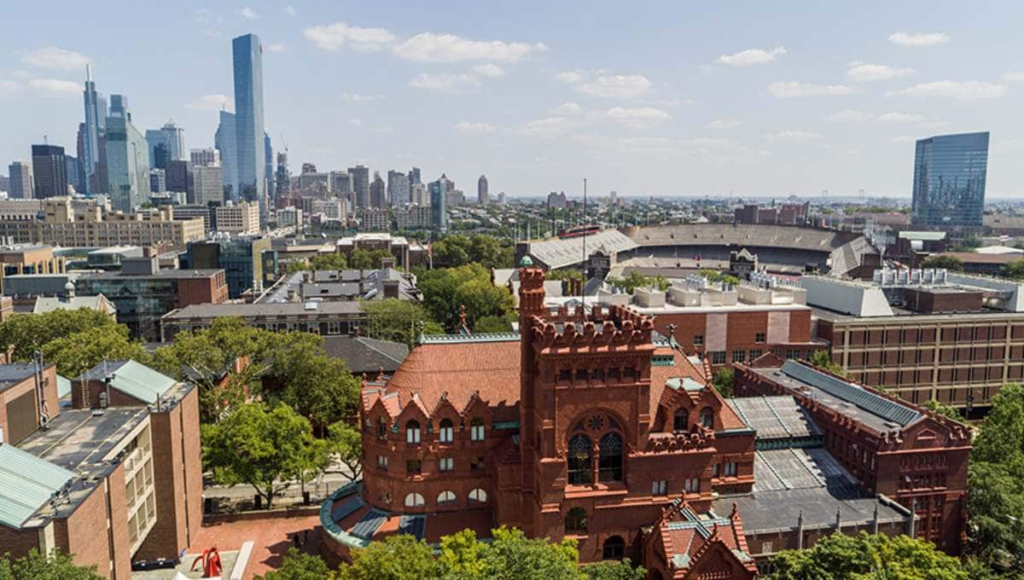
The University of Pennsylvania, founded in 1740 in Philadelphia, Pennsylvania, is a prestigious Ivy League university renowned for its strong academics, research initiatives, and entrepreneurial spirit. UPenn emphasizes interdisciplinary education and practical experience, preparing students to become leaders across various industries. Its alumni include business tycoons, political leaders, and Nobel laureates.
Programs Offered:
UPenn offers a diverse range of undergraduate, graduate, and professional programs, with notable strengths in business, medicine, law, and engineering. The Wharton School is internationally recognized for its business programs, while the Perelman School of Medicine and the School of Engineering and Applied Science are leaders in research and innovation. UPenn encourages interdisciplinary learning, research, and experiential opportunities to equip students with practical and theoretical knowledge.
Facilities:
- Modern research laboratories and advanced classrooms
- Libraries, archives, and study centers
- Arts, performance, and cultural facilities
- Athletic complexes, student centers, and residential halls
Tuition Fees:
UPenn’s undergraduate tuition is approximately $63,000 per year (2025 estimate). Graduate programs such as Wharton or Law School can cost between $70,000 and $75,000 annually. The university provides need-based financial aid to ensure qualified students from all backgrounds can access its education.
Admission Process / How to Apply:
- Submit the Common Application with UPenn-specific essays
- Provide transcripts and recommendation letters
- Submit standardized test scores (SAT/ACT optional for some programs)
- Interview (optional, recommended for some applicants)
- Decision notification: Early Decision in November, Regular Decision in late March
Brown University
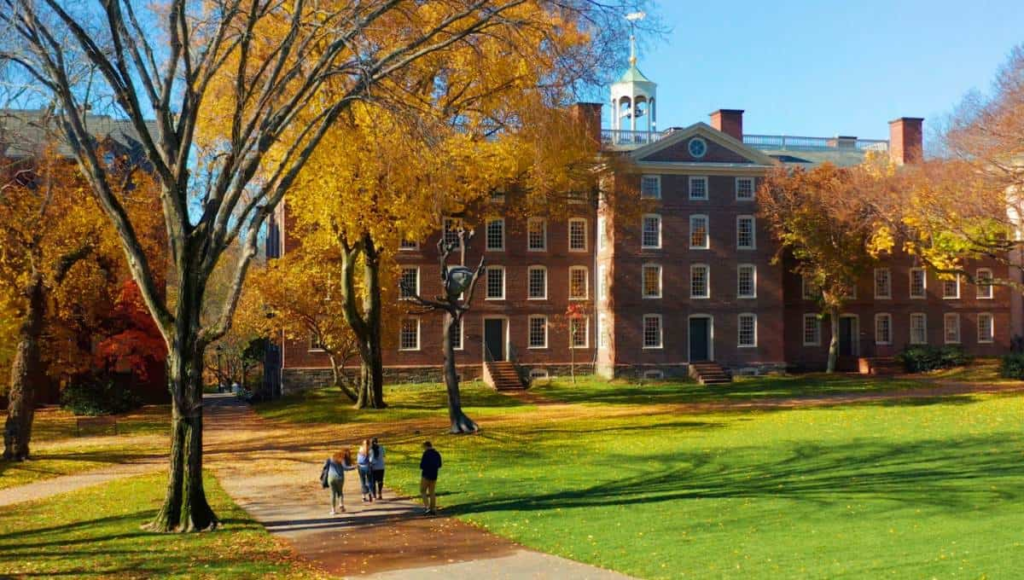
Brown University, founded in 1764 in Providence, Rhode Island, is an Ivy League university celebrated for its flexible curriculum and commitment to student-driven education. Known for fostering creativity, independence, and intellectual exploration, Brown encourages students to take charge of their learning and pursue interdisciplinary interests. Its alumni include influential leaders, artists, and innovators worldwide.
Programs Offered:
Brown offers a broad range of undergraduate and graduate programs across the humanities, social sciences, natural sciences, engineering, and arts. The university is particularly famous for its Open Curriculum, which allows students to design their own educational paths and explore multiple disciplines. Graduate programs in areas like public health, engineering, and fine arts are also highly regarded, providing students with diverse opportunities for research and professional development.
Facilities:
- Modern classrooms, research laboratories, and libraries
- Arts centers, theaters, and performance spaces
- Athletic complexes and recreational facilities
- Residential halls and student centers supporting campus life
Tuition Fees:
Brown’s undergraduate tuition is approximately $61,000 per year (2025 estimate). Graduate programs vary depending on the field of study, typically ranging from $65,000 to $70,000 annually. The university provides need-based financial aid to ensure students from diverse economic backgrounds can access its programs.
Admission Process / How to Apply:
- Submit the Common Application with Brown-specific essays
- Provide transcripts and recommendation letters
- Submit standardized test scores (SAT/ACT optional for some programs)
- Interview (optional, recommended in certain cases)
- Decision notification: Early Decision in November, Regular Decision in late March
Dartmouth College
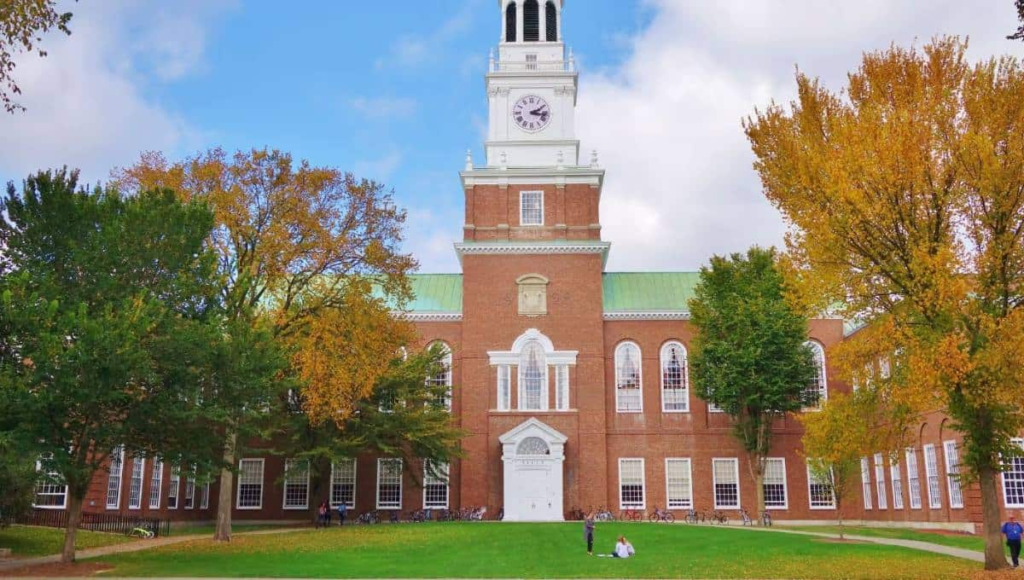
Dartmouth College, founded in 1769 in Hanover, New Hampshire, is an Ivy League university known for its strong undergraduate focus and close-knit academic community. Dartmouth emphasizes personalized education, research opportunities, and leadership development. Its alumni include influential leaders in government, business, and academia.
Programs Offered:
Dartmouth offers a variety of undergraduate and graduate programs across liberal arts, business, engineering, and health sciences. The Tuck School of Business and Thayer School of Engineering are highly regarded for their rigorous programs and leadership training. Dartmouth encourages interdisciplinary learning, independent research, and experiential education, allowing students to gain a well-rounded and practical academic experience.
Facilities:
- Modern classrooms, research labs, and extensive libraries
- Arts centers, theaters, and music facilities
- Athletic complexes, outdoor recreation areas, and wellness centers
- Residential halls and student centers foster community life
Tuition Fees:
Dartmouth’s undergraduate tuition is approximately $61,000 per year (2025 estimate). Graduate programs, including Tuck and Thayer, range from $65,000 to $70,000 annually. The college offers need-based financial aid to support students from all socioeconomic backgrounds.
Admission Process / How to Apply:
- Submit the Common Application or Coalition Application with Dartmouth-specific essays
- Provide transcripts and recommendation letters
- Submit standardized test scores (SAT/ACT optional for some programs)
- Interview (optional, often conducted by alumni)
- Decision notification: Early Decision in November, Regular Decision in late March
Cornell University
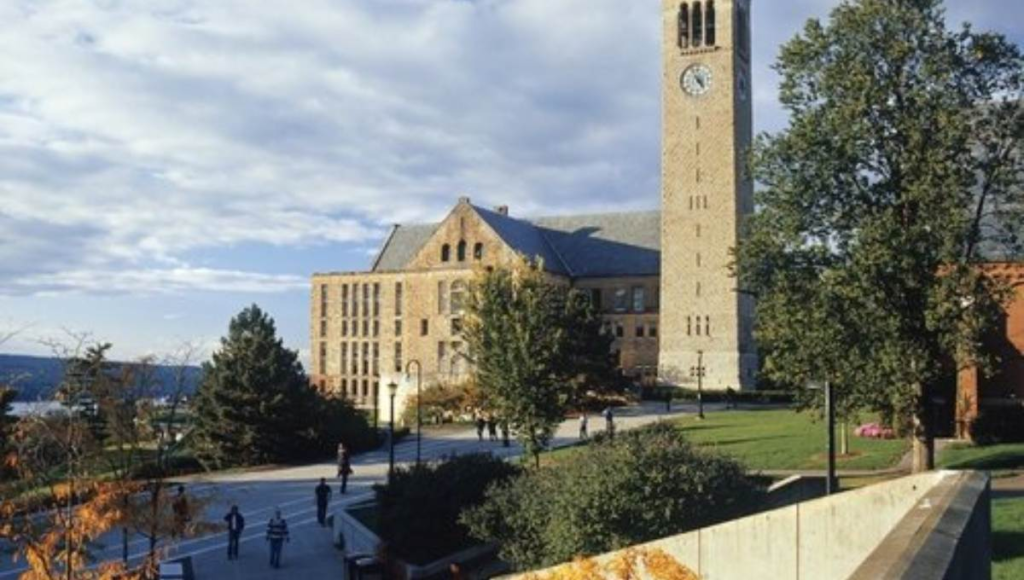
Cornell University, founded in 1865 in Ithaca, New York, is an Ivy League university recognized for its excellence in research, academics, and innovation. Known for combining practical and theoretical learning, Cornell offers students opportunities across a wide range of disciplines. Its alumni include leaders in STEM, business, agriculture, and public service.
Programs Offered:
Cornell provides a broad array of undergraduate, graduate, and professional programs in fields such as engineering, agriculture, hotel management, business, law, and the sciences. The university is particularly noted for its College of Engineering, College of Agriculture and Life Sciences, and School of Hotel Administration. Cornell emphasizes interdisciplinary studies, research initiatives, and experiential learning to prepare students for impactful careers in their chosen fields.
Facilities:
- Cutting-edge research laboratories and modern classrooms
- Extensive libraries, archives, and study centers
- Arts, performance, and cultural facilities
- Athletic complexes, recreational areas, and residential colleges
Tuition Fees:
Cornell’s undergraduate tuition is approximately $63,000 per year (2025 estimate). Graduate programs, depending on the field, range between $65,000 and $75,000 annually. The university provides need-based financial aid to ensure students from diverse backgrounds can access its high-quality education.
Admission Process / How to Apply:
- Submit the Common Application with Cornell-specific essays
- Provide transcripts and recommendation letters
- Submit standardized test scores (SAT/ACT optional for some programs)
- Interview (optional for certain programs)
- Decision notification: Early Decision in November, Regular Decision in late March
Unlocking the Ivy Advantage
Attending an Ivy League university offers more than just a degree; it provides a life-changing experience that shapes both personal and professional growth. Students gain access to world-class education, cutting-edge research, and a diverse community of thinkers and innovators. The rigorous academics and hands-on opportunities help students develop critical skills, explore their passions, and prepare for leadership roles in various fields.
Beyond academics, the strong alumni network and career resources give students a significant edge in internships, jobs, and mentorship opportunities worldwide. The prestige associated with an Ivy League education opens doors to global recognition and credibility in nearly any industry.
Key Benefits of the Ivy League Advantage:
- Access to top-tier education and advanced research opportunities
- Strong alumni network for mentorship and career guidance
- Leadership development through academics and extracurriculars
- Global recognition and credibility for degrees
- Opportunities for interdisciplinary learning and innovation
Why Students Prefer Ivy League Schools
Students from around the world aspire to study at Ivy League universities because of their exceptional academics and opportunities. These schools offer rigorous programs, experienced faculty, and access to advanced research, fostering critical thinking, creativity, and personal growth. The strong alumni network, including world leaders and innovators, also provides mentorship, internships, and career guidance.
Ivy League schools are also known for their research and professional development opportunities, from modern labs to business and arts centers. The prestige and global recognition of their degrees open doors to competitive careers and leadership roles. This combination of top-tier education, resources, and networking makes Ivy League universities highly desirable for ambitious students.
FAQs – Top Ivy League Schools
1. What is the Ivy League?
The Ivy League is a group of eight prestigious private universities in the Northeastern United States, known for their academic excellence, elite reputation, and influential alumni networks. These universities are Harvard, Yale, Princeton, Columbia, the University of Pennsylvania, Brown, Dartmouth, and Cornell.
2. Why are Ivy League schools so popular?
Ivy League schools are popular due to their rigorous academics, global recognition, strong alumni networks, research opportunities, and overall prestige. Graduating from an Ivy League university can open doors to top careers, leadership roles, and advanced educational opportunities worldwide.
3. What are the admission requirements for Ivy League universities?
Most Ivy League schools require strong academic performance, recommendation letters, standardized test scores (SAT/ACT optional for some), personal essays, and extracurricular achievements. Some schools may also conduct interviews to better understand the applicant.
4. Are Ivy League schools affordable for international students?
While tuition can be high, most Ivy League schools offer need-based financial aid and scholarships for both domestic and international students. This ensures that qualified students from diverse economic backgrounds can access top-quality education.

