

Biomedical Engineering is a field where medicine and technology work together. It focuses on creating tools, machines, and systems that help improve human health. This includes things like artificial organs, smart prosthetics, medical robots, and advanced imaging devices.
Choosing the right university is very important for students who want to build a strong future in this field. The best biomedical engineering schools offer modern labs, experienced teachers, and real-world research opportunities. Students also get chances to work on projects that can change lives.
Below are some of the top biomedical engineering universities in the world. These schools are known for their high-quality education, strong research programs, and important contributions to medical technology.
Harvard University | Top Biomedical Engineering Universities in the World (USA)

Harvard University, located in Cambridge, Massachusetts, is one of the most respected names in education and research. Its biomedical engineering programs are part of the Harvard John A. Paulson School of Engineering and Applied Sciences and are closely connected with Harvard Medical School.
Top Programs Offered:
Harvard offers both undergraduate and graduate programs in biomedical engineering. Students can specialize in areas like bioinstrumentation, tissue engineering, and biomechanics. The graduate research programs focus on solving complex medical problems through technology, often in partnership with nearby hospitals like Massachusetts General Hospital.
International Ranking:
Harvard consistently ranks in the top five globally for biomedical sciences and engineering fields according to the QS World University Rankings and Times Higher Education.
Environment and Strengths:
The environment at Harvard encourages innovation and collaboration. Students have access to world-class laboratories, research centers, and medical facilities. The university promotes teamwork between engineers, doctors, and biologists, making it an ideal place for interdisciplinary research.
Practical Takeaway:
Students at Harvard benefit from its close ties to the medical industry and hospitals. For those interested in medical devices, imaging, or biotechnology startups, Harvard offers the perfect environment to develop both technical and leadership skills.
Massachusetts Institute of Technology MIT | Leading Biomedical Engineering Universities (USA)
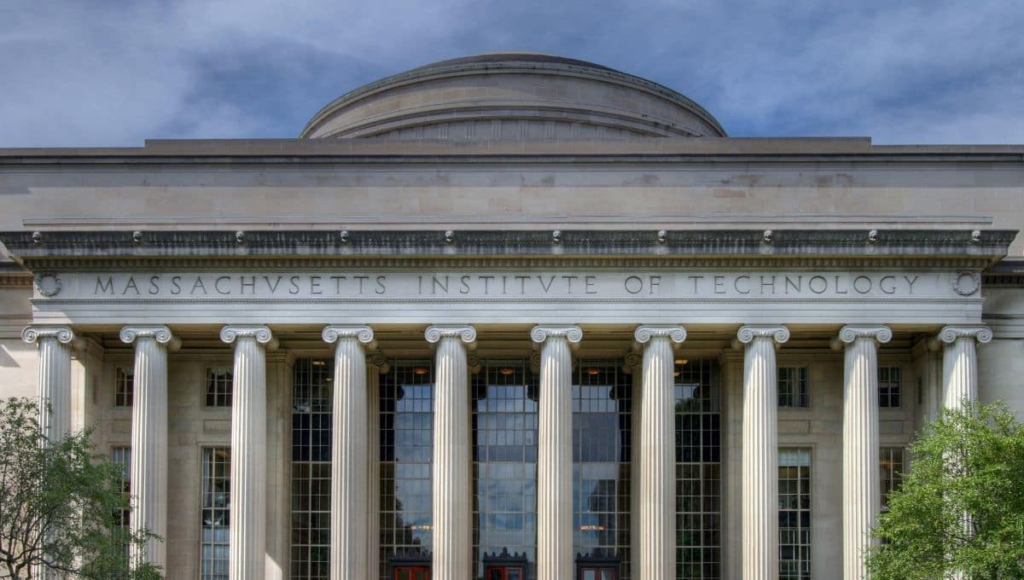
MIT stands among the world’s top institutions for science and technology. Its Biological Engineering department blends engineering with life sciences to create solutions for real healthcare problems.
Top Programs Offered:
MIT offers undergraduate, master’s, and Ph.D. programs in biological and biomedical engineering. The curriculum includes courses in biomaterials, genetic engineering, and computational biology. Students also take part in research projects that lead to groundbreaking innovations in medicine and healthcare.
International Ranking:
MIT is ranked number one in the world for engineering and technology by QS World University Rankings and holds a top position in biomedical engineering every year.
Environment and Strengths:
MIT’s environment promotes creativity and problem-solving. Students have access to advanced research centers like the Koch Institute for Integrative Cancer Research and the Institute for Medical Engineering and Science. These facilities provide students with hands-on experience in developing technologies that improve human health.
Practical Takeaway:
MIT is ideal for students who want to work at the intersection of research, technology, and entrepreneurship. Many graduates go on to start biotech companies or join top medical device firms.
Stanford University | Best Biomedical Engineering Universities for Innovation (USA)

Stanford University, located in California’s Silicon Valley, is famous for its innovation-driven environment. Its Department of Bioengineering is a joint program between the School of Engineering and the School of Medicine.
Top Programs Offered:
Stanford offers undergraduate and graduate programs focused on biomedical computation, medical imaging, and regenerative medicine. The programs emphasize practical learning through lab work and research collaborations.
International Ranking:
Stanford is consistently ranked among the top three universities globally in biomedical engineering and medical sciences by QS and Times Higher Education rankings.
Environment and Strengths:
Stanford’s location near Silicon Valley gives students unique exposure to leading tech and biotech companies. The university’s culture of entrepreneurship means that many biomedical engineering innovations developed at Stanford turn into successful startups.
Practical Takeaway:
Students who want to merge healthcare innovation with technology find Stanford a perfect match. Its combination of strong academic programs and access to industry makes it one of the best places to study biomedical engineering.
Shanghai Jiao Tong University | Strong Biomedical Engineering Universities in Asia (CHINA)

Shanghai Jiao Tong University (SJTU) in China is one of Asia’s top engineering and research institutions. It has a strong reputation for innovation and international collaboration.
Top Programs Offered:
SJTU offers undergraduate, master’s, and doctoral programs in biomedical engineering. Students can focus on areas like medical imaging, biomaterials, and bioinformatics. The university’s research centers work closely with hospitals to develop real-world medical technologies.
International Ranking:
According to the Academic Ranking of World Universities, SJTU ranks among the top 50 universities globally for biomedical and life sciences.
Environment and Strengths:
The university’s campus is equipped with modern research facilities and offers a diverse international environment. Students gain hands-on experience in developing healthcare technologies for clinical use. SJTU also has partnerships with global universities, giving students exchange and research opportunities abroad.
Practical Takeaway:
For students seeking affordable yet high-quality education in biomedical engineering, SJTU offers excellent value with global exposure and access to advanced research.
Zhejiang University | Affordable Biomedical Engineering Universities in Asia (CHINA)

Zhejiang University, located in Hangzhou, China, is known for its strength in engineering, technology, and medicine. It is one of China’s oldest and most prestigious universities.
Top Programs Offered:
The School of Biomedical Engineering and Instrument Science at Zhejiang University offers programs in bioelectronics, medical robotics, and biomedical signal processing. The university is also known for its research in health data analytics and wearable medical technology.
International Ranking:
Zhejiang University ranks within the global top 100 universities in engineering and technology and is one of the leading institutions in Asia for biomedical engineering.
Environment and Strengths:
The university promotes collaboration between engineering, medicine, and data science. Students benefit from partnerships with hospitals and industry leaders. The campus offers modern labs and a supportive academic community.
Practical Takeaway:
Zhejiang University is a great choice for students who want to work on healthcare innovation with a focus on digital health and medical technology. Its strong research culture helps students build practical problem-solving skills.
National University of Singapore NUS | Top Biomedical Engineering Universities in Asia Pacific

The National University of Singapore (NUS) is Asia’s leading research university and a global name in science and technology. Its Department of Biomedical Engineering is one of the best in the region.
Top Programs Offered:
NUS offers bachelor’s, master’s, and Ph.D. programs in biomedical engineering. Students can specialize in biomechanics, medical devices, tissue engineering, and bioinformatics. The programs are designed to meet the needs of the modern healthcare industry.
International Ranking:
NUS is ranked within the top 15 universities worldwide for engineering and technology by QS World University Rankings and among the top 50 for life sciences and medicine.
Environment and Strengths:
NUS provides a multicultural and inclusive environment. Its research focuses on solving health challenges in Asia and beyond. Students have opportunities to participate in global research projects and internships with top medical technology companies.
Practical Takeaway:
NUS is ideal for students who want to study in a vibrant, international setting with access to cutting-edge technology and research networks across Asia.
University of Toronto | Best Biomedical Engineering Universities in Canada

The University of Toronto (U of T) is Canada’s leading university in engineering and medical research. Its Institute of Biomedical Engineering is one of the oldest and most respected in North America.
Top Programs Offered:
U of T offers undergraduate and graduate programs in biomedical systems, biomaterials, and neural engineering. The programs combine classroom learning with extensive research opportunities.
International Ranking:
U of T ranks among the top 30 universities globally in biomedical and life sciences, according to QS and Times Higher Education rankings.
Environment and Strengths:
The university has a strong research culture and close connections with hospitals and health organizations in Toronto. Students can work on projects that focus on improving medical devices and healthcare delivery systems.
Practical Takeaway:
For students who value research and innovation in a diverse, welcoming environment, the University of Toronto offers excellent opportunities to grow academically and professionally.
FAQS
1. How is Biomedical Engineering different from traditional engineering fields?
Unlike regular engineering, BME directly connects technology with human health. You design machines and systems that interact with the human body.
2. Do biomedical engineers work with doctors daily?
In many hospitals and research centers, yes. Engineers and doctors often collaborate to solve medical problems or improve equipment.
3. Can I study Biomedical Engineering if I am not good at biology?
Yes. Basic biology is needed, but the field also focuses heavily on math, physics, and engineering concepts. You can improve biology skills along the way.
Closing Note
Biomedical engineering continues to push the boundaries of medical technology, and the world’s top universities play a key role in this progress. With advanced programs and hands-on learning, these institutions help students turn ideas into real healthcare solutions.
For anyone aiming to build a future in medical innovation, selecting the right university can be the start of an exciting and purpose-driven journey.