


Introduction
Engineering is a dynamic and rapidly growing field that plays a critical role in Pakistan’s national development. For students aspiring to pursue a career in engineering, choosing the right university can make a significant difference in their academic journey and professional growth.
Pakistan offers a diverse range of engineering universities, both in the public and private sectors. These institutions provide quality education, state-of-the-art research facilities, and opportunities to develop practical skills. This guide highlights the best engineering universities in Pakistan, ranking criteria, and practical insights to help students make informed decisions.
Engineering Education in Pakistan
Engineering education in Pakistan has evolved significantly over the past few decades. Universities now offer undergraduate, graduate, and postgraduate programs in various disciplines such as civil, mechanical, electrical, electronics, computer, and aerospace engineering.
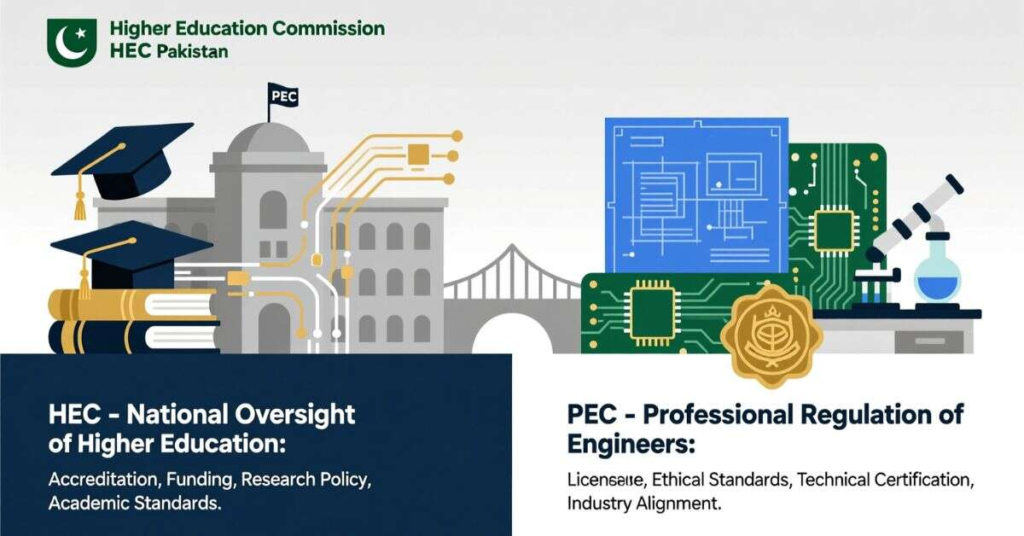
Accreditation and regulation of engineering programs are managed by the Higher Education Commission (HEC) and the Pakistan Engineering Council (PEC). These bodies ensure that institutions maintain high academic standards and produce graduates who meet industry requirements.
Importance of Engineering in National Development

Engineers are vital for Pakistan’s economic and infrastructural growth. From building sustainable energy solutions to developing advanced technology systems, engineering contributes directly to national progress.
Investing in quality engineering education enables the country to produce skilled professionals who can address complex challenges, drive innovation, and support industrial development. Students who pursue engineering not only gain technical knowledge but also develop problem-solving, analytical, and leadership skills.
Criteria for Ranking Engineering Universities
Ranking engineering universities involves multiple factors. Some key criteria include:
- Academic Excellence: Quality of faculty, research output, and curriculum relevance.
- Accreditation: Recognition by HEC and PEC.
- Facilities and Infrastructure: Labs, libraries, and technology-enabled classrooms.
- Industry Collaboration: Partnerships with companies for internships, training, and research.
- Graduate Employability: Placement rates and career support services.
- Student Satisfaction: Campus environment, extracurricular opportunities, and mentorship programs.
Role of Higher Education Commission (HEC) and PEC
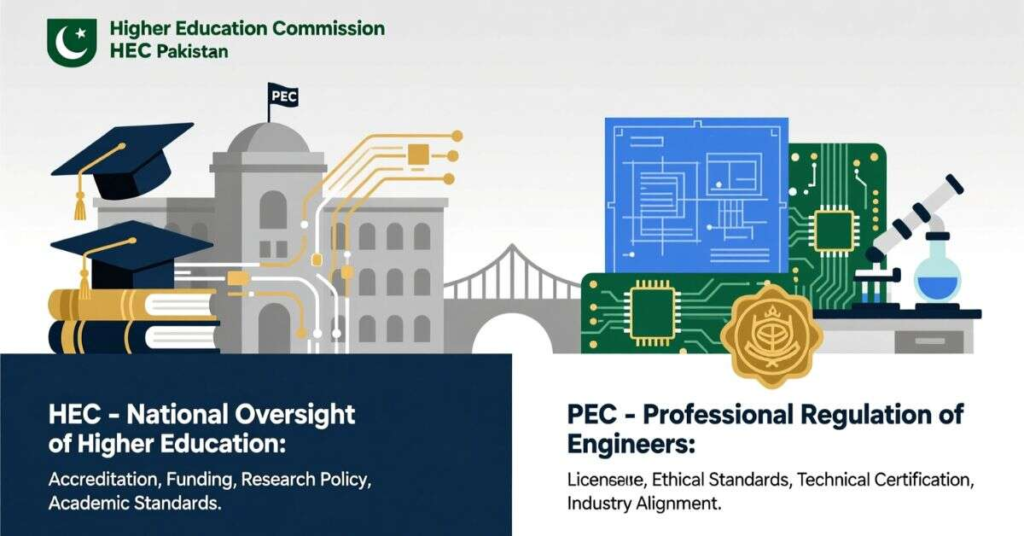
The Higher Education Commission (HEC) oversees the overall quality of higher education in Pakistan. It evaluates universities on infrastructure, faculty qualifications, and research output.
The Pakistan Engineering Council (PEC) specifically accredits engineering programs. PEC ensures that engineering graduates meet the professional standards required for licensure and practice in the country.
Top universities maintain compliance with both HEC and PEC standards, ensuring students receive recognized and high-quality degrees.
Top Public Sector Engineering Universities
Public sector universities have a long-standing reputation for excellence and affordability. They often lead in research and innovation and offer diverse programs across multiple engineering disciplines.
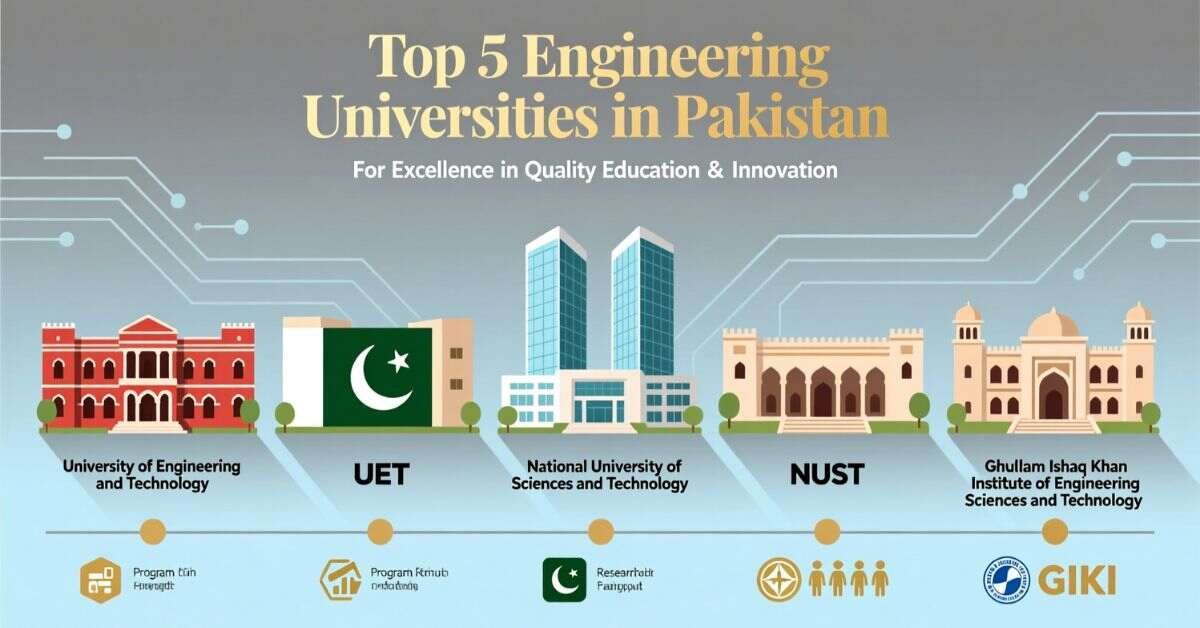
National University of Sciences and Technology (NUST)
NUST is widely regarded as the top engineering university in Pakistan. Located in Islamabad, it offers undergraduate and postgraduate programs in mechanical, electrical, civil, and software engineering. NUST is known for its strong research focus, modern labs, and industry partnerships.
University of Engineering and Technology (UET) Lahore
Established in 1921, UET Lahore is one of the oldest engineering universities in Pakistan. It provides a comprehensive range of engineering disciplines and has a strong track record of producing skilled engineers. The university emphasizes research and innovation in civil, mechanical, electrical, and chemical engineering.
Pakistan Institute of Engineering and Applied Sciences (PIEAS)
PIEAS, located in Islamabad, is renowned for nuclear, mechanical, and electrical engineering programs. It combines rigorous academic training with practical exposure in collaboration with research institutes and government agencies.
Ghulam Ishaq Khan Institute (GIKI)
GIKI focuses on engineering, technology, and applied sciences. It offers specialized programs in mechanical, electrical, civil, and computer engineering. Known for a high faculty-to-student ratio, GIKI provides a supportive learning environment and encourages research and entrepreneurship.
NED University of Engineering and Technology
Based in Karachi, NED University offers diverse engineering programs with strong emphasis on civil, mechanical, and electrical engineering. It is recognized for its practical approach, extensive labs, and industry-aligned curriculum.
Top Private Sector Engineering Universities
Private universities have emerged as competitive alternatives to public institutions. They often offer modern infrastructure, international collaborations, and flexible programs.
Lahore University of Management Sciences (LUMS) – School of Science and Engineering
LUMS provides high-quality engineering programs with a focus on innovation and technology management. It emphasizes research, entrepreneurship, and hands-on learning.
University of Lahore (UoL) – School of Engineering and Technology
UoL offers undergraduate and postgraduate programs in civil, electrical, mechanical, and software engineering. The university maintains strong industry connections and modern lab facilities.
Emerging Engineering Institutions in Pakistan
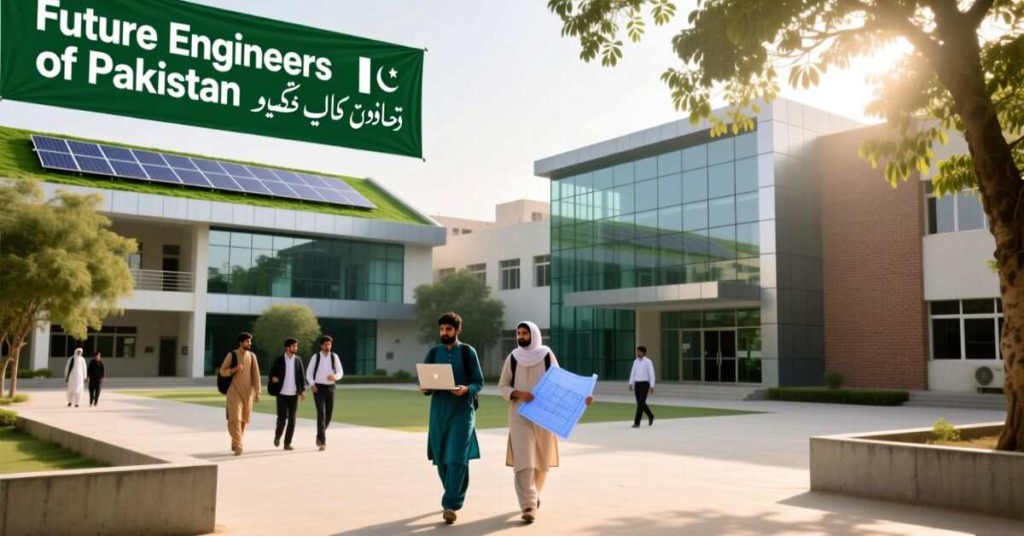
Several new institutions are rising in prominence due to modern teaching methods, research focus, and industry engagement. These include COMSATS University Islamabad, Bahria University Karachi/Islamabad campuses, and FAST National University of Computer and Emerging Sciences. They offer specialized programs in computer science, software engineering, and artificial intelligence, keeping pace with global trends.
Future Trends and Challenges in Engineering Education
The future of engineering education in Pakistan is shaped by technological advancements, industry demands, and global competition. Emerging trends include:
- Integration of Artificial Intelligence and Robotics: Universities are incorporating AI, machine learning, and automation into their curricula.
- Sustainable and Green Engineering: Programs now focus on environmentally responsible engineering practices.
- Industry-University Collaboration: Stronger partnerships for internships, projects, and research.
Challenges include maintaining faculty quality, updating curricula to match global standards, and ensuring equitable access to quality education across regions.
Conclusion
Choosing the best engineering university in Pakistan requires careful consideration of academic quality, infrastructure, faculty, industry connections, and personal goals. Institutions like NUST, UET Lahore, PIEAS, GIKI, and NED have consistently demonstrated excellence in producing skilled engineers who contribute to national and global development.
Emerging private and specialized institutions also offer quality education, modern facilities, and innovative programs. By understanding the landscape, accreditation standards, and future trends, students can make informed decisions and pursue rewarding careers in engineering.
Practical Takeaways for Students:
- Research universities based on accreditation and program offerings.
- Consider faculty expertise, research opportunities, and industry partnerships.
- Evaluate campus facilities, labs, and extracurricular opportunities.
- Look for programs that align with emerging technologies like AI, robotics, and renewable energy.
- Stay informed about scholarships, internships, and mentorship programs to enhance learning outcomes.
By following these steps, students can maximize their learning experience and career prospects in the engineering field in Pakistan.
Frequently Asked Questions (FAQs)
Q1: Which is the best engineering university in Pakistan?
A1: NUST is widely regarded as the top engineering university, followed by UET Lahore, PIEAS, GIKI, and NED University.
Q2: Are private engineering universities in Pakistan worth considering?
A2: Yes, private universities like LUMS and the University of Lahore offer quality education, modern facilities, and international collaborations, making them competitive options.
Q3: What are the criteria for ranking engineering universities in Pakistan?
A3: Criteria include academic excellence, accreditation, infrastructure, industry collaboration, graduate employability, and student satisfaction.
Q4: What role does PEC play in engineering education?
A4: The Pakistan Engineering Council (PEC) accredits engineering programs to ensure graduates meet professional standards for licensure and practice.
Q5: Which emerging engineering universities should students consider?
A5: COMSATS University Islamabad, Bahria University, and FAST National University of Computer and Emerging Sciences are notable emerging institutions with modern programs in technology and engineering.

