

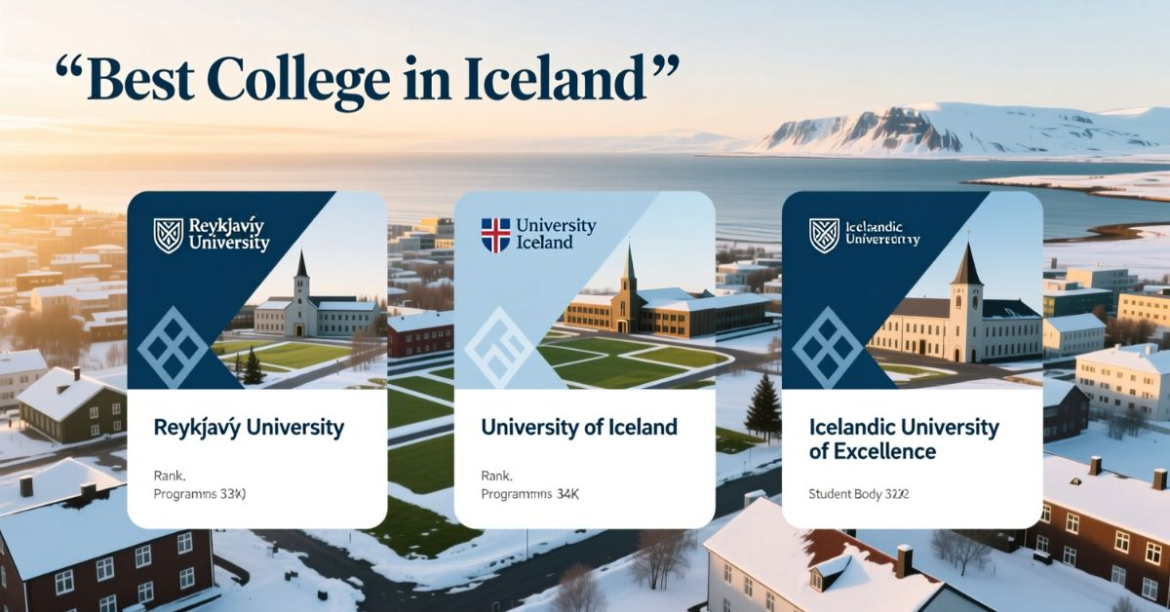
Iceland has a relatively small but highly respected higher education system. The University of Iceland is often regarded as the Best College in Iceland because of its comprehensive academic offerings, strong research reputation, and international collaborations.
Other notable institutions include Reykjavik University, Bifröst University, and the Iceland University of the Arts, each offering specialized programs that cater to different academic interests.
The University of Iceland stands out with a wide range of programs, from science and technology to humanities and social sciences, further strengthening its status as the Best College in Iceland.
Reykjavik University is known for its focus on business, technology, and engineering. Bifröst University emphasizes business and law, while the Iceland University of the Arts appeals to students interested in creative fields such as music, theater, and design.
History and Development of Higher Education in Iceland

Higher education in Iceland has a rich history dating back to the founding of the University of Iceland in 1911. Initially established to meet the nation’s educational needs, it has grown into a leading institution in research, innovation, and international collaboration.
Over the years, Iceland has developed a robust system of colleges that balance academic rigor with practical skills. For students seeking the best college in Iceland, these institutions offer high-quality programs supported by a government committed to ensuring access to education for both Icelandic and international students.
This focus on educational development has positioned Iceland as a top destination for those pursuing a progressive learning environment.
Overview, Programs & Student Life
| University | Key Features | Popular Programs | Campus Life & Facilities | Best For |
|---|---|---|---|---|
| University of Iceland (UI) | Oldest & top-ranked university; strong research output; wide academic range; major international collaborations | Science & Technology, Computer Science, Environmental Science, Humanities, Medicine, Social Sciences | Modern labs, a large library, student clubs, cultural events, sports, and innovation hubs | Students seeking the best overall academic reputation and diverse programs |
| Reykjavik University (RU) | Focused on technology, business & engineering; strong industry links; modern campus | Software Engineering, Data Science, Business, IT, Engineering | High-tech campus, innovation center, industry projects, active student associations | Students interested in tech, business, engineering, and hands-on learning |
| Bifröst University | Specialized business & law institution; small community; entrepreneurial focus | Business Management, Law, Social Sciences, Economics | Residential campus, nature-focused environment, close-knit student life | Students wanting a small, focused business school |
| Iceland University of the Arts (IUA) | Leading arts institution; creativity-focused programs; strong international arts network | Visual Arts, Music, Theatre, Design, Film | Studios, rehearsal halls, exhibitions, creative workshops | Students pursuing arts, design, performance, and creative careers |
| Holar University College | Known for environment & tourism studies; rural location; research-based programs | Aquaculture, Tourism, Environmental Sciences | Nature-oriented campus, research centers, fieldwork opportunities | Students interested in environment, fisheries, wildlife, or tourism |
Academic Reputation and Ranking
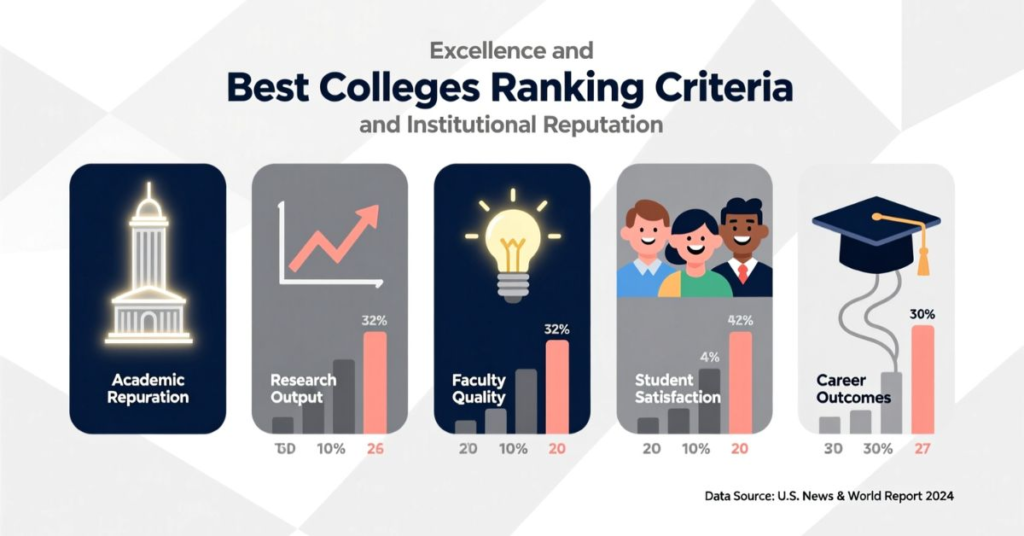
The University of Iceland consistently ranks as the best college in Iceland in both national and international assessments. Its reputation is built on academic excellence, cutting-edge research, and faculty expertise across diverse disciplines.
In addition, Reykjavik University and Bifröst University have gained recognition for their specialized programs, particularly in business, technology, and engineering. Their focus on applied knowledge and real-world problem-solving contributes to strong graduate outcomes, further solidifying their status among the top institutions and enhancing their international appeal.
Strong Programs in Science and Technology
Icelandic colleges are particularly known for strong programs in science and technology. The University of Iceland offers degrees in computer science, engineering, environmental science, and biotechnology. Research initiatives often focus on renewable energy, climate studies, and marine biology, aligning with Iceland’s unique geographical and environmental context.
Reykjavik University emphasizes technology-driven programs, offering degrees in information technology, software engineering, and data science.
Students benefit from modern laboratories, access to industry partnerships, and hands-on learning opportunities that prepare them for careers in rapidly evolving fields.
Humanities and Social Sciences Excellence
For students interested in humanities and social sciences, Icelandic colleges provide a broad range of programs. The University of Iceland, widely regarded as the best college in Iceland, offers degrees in psychology, sociology, history, literature, and political science.
Courses often incorporate both Icelandic and international perspectives, encouraging critical thinking and cross-cultural understanding.
The Iceland University of the Arts is another excellent option, particularly for students in creative fields. Its programs in visual arts, music, and theater emphasize both technical skills and conceptual development, preparing students for successful careers in the creative economy.
Research Opportunities and Innovation Culture
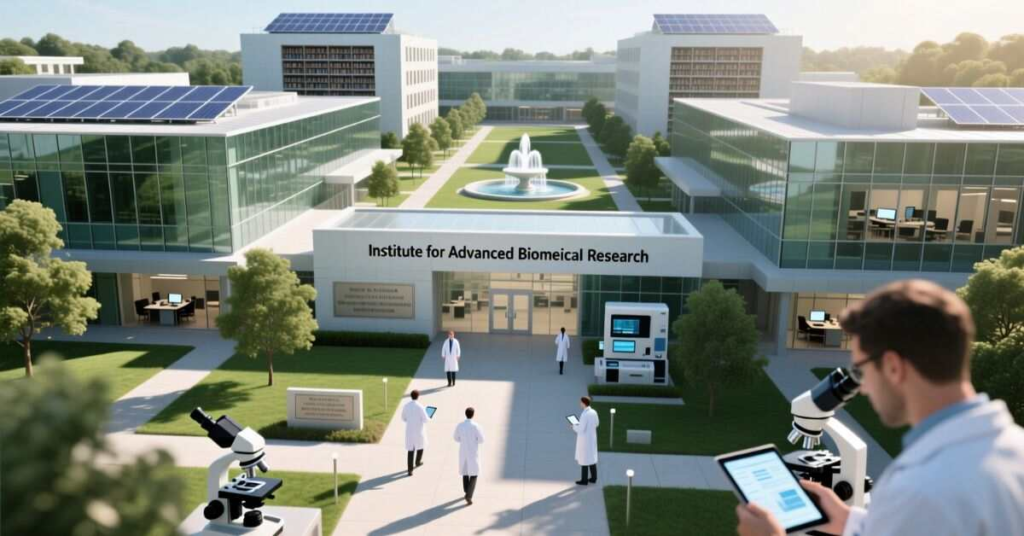
Icelandic colleges promote a strong culture of research and innovation. Students at the best college in Iceland, as well as other leading institutions, have the opportunity to participate in cutting-edge research projects, often in collaboration with international partners. Key areas of focus include renewable energy, sustainable development, digital technology, and marine sciences.
Universities encourage interdisciplinary research, allowing students to explore complex challenges from multiple perspectives. Research centers provide funding, mentorship, and resources, ensuring that students gain hands-on experience and contribute meaningfully to academic knowledge.
International Student Programs
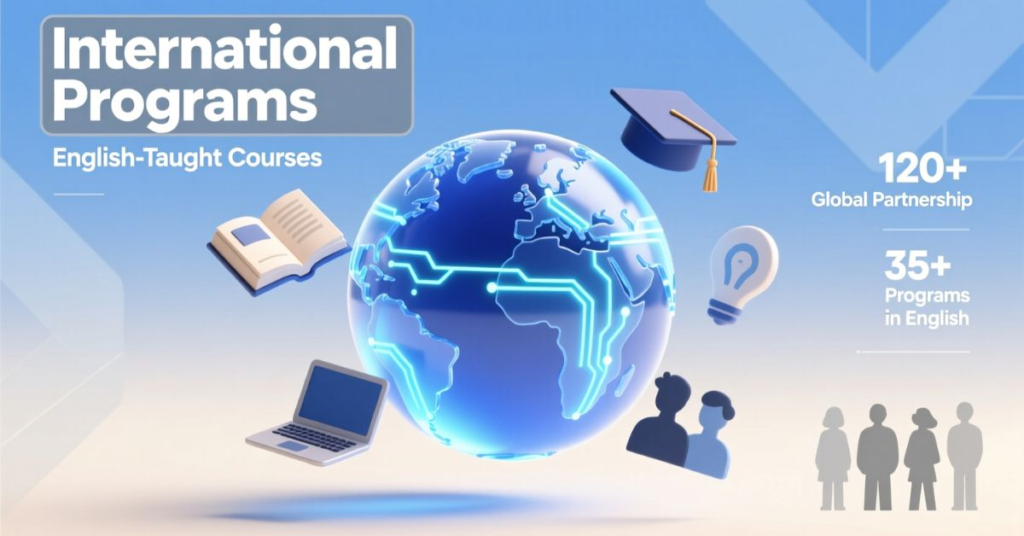
Iceland is increasingly welcoming to international students. Colleges offer a variety of programs in English, making it accessible for students who do not speak Icelandic.
Universities provide support services, including orientation programs, language courses, and academic advising tailored to international students.
Scholarship opportunities are also available for international students, covering tuition, living expenses, and research projects. These initiatives make studying in Iceland more feasible and encourage cultural exchange and diversity on campus.
Collaboration with Global Universities

Icelandic colleges maintain strong collaborations with universities worldwide. These partnerships enable student exchanges, joint research initiatives, and access to global academic networks.
For instance, the University of Iceland participates in Erasmus+ programs, allowing students to study in Europe while earning credits toward their degree. Reykjavik University collaborates with international tech companies, giving students exposure to industry trends and innovation ecosystems.
Campus Facilities and Modern Infrastructure
Modern campus facilities are a hallmark of Icelandic colleges. Libraries, laboratories, lecture halls, and student centers are equipped with state-of-the-art technology to support learning and research.
Reykjavik University and the University of Iceland provide dedicated spaces for entrepreneurship and innovation, including incubators and collaborative workspaces. Sports facilities, cafes, and cultural centers contribute to a vibrant campus life, fostering community engagement and personal growth.
Student Life and Community Engagement

Student life in Iceland is dynamic and inclusive. Colleges encourage students to participate in student organizations, clubs, and cultural events. Outdoor activities, such as hiking, skiing, and exploring natural landmarks, are popular among students, reflecting Iceland’s unique environment.
Community engagement is also emphasized. Students often participate in volunteer programs, sustainability initiatives, and social projects, contributing to both personal development and societal well-being.
Scholarships and Financial Support
Several scholarship options are available for students studying in Iceland. These include merit-based scholarships, research grants, and financial support for international students. Universities often guide applying for scholarships and managing living costs.
Additionally, some institutions collaborate with organizations and government agencies to fund research projects and internships, providing both financial assistance and practical experience.
Admission Requirements and Application Process

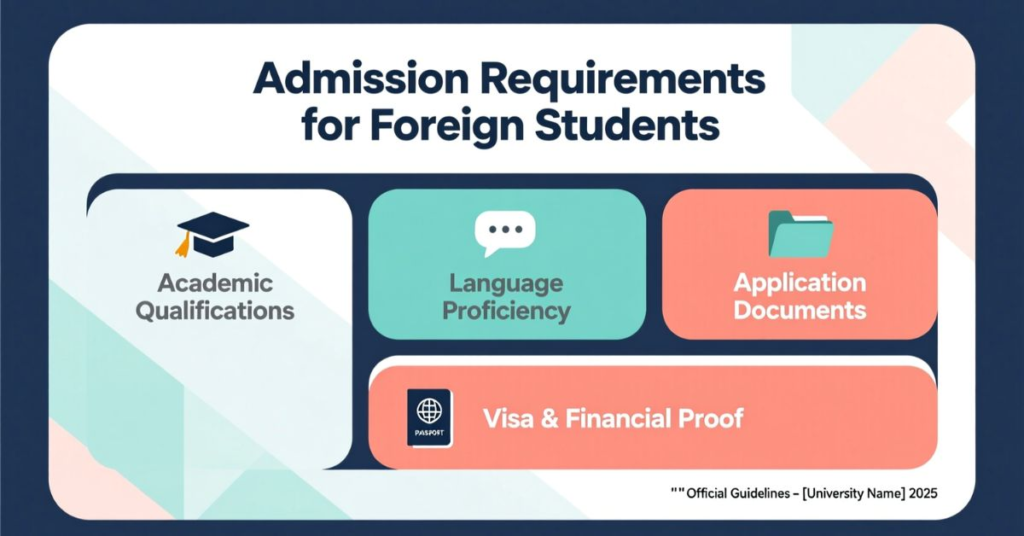
Admission to the best college in Iceland typically requires a strong academic record, language proficiency, and sometimes relevant work or research experience. Universities have clear guidelines for application, including submission of transcripts, letters of recommendation, and a personal statement.
For international students, English proficiency tests such as TOEFL or IELTS are commonly required. Application deadlines vary by program, so early preparation is recommended to ensure all documents and prerequisites are completed on time.
Career Prospects and Graduate Success
Graduates from Icelandic colleges enjoy strong career prospects both locally and internationally. The emphasis on practical skills, research experience, and industry collaboration equips students for diverse careers.
Fields such as renewable energy, information technology, engineering, healthcare, and creative industries are particularly in demand. Alumni networks and career services help students secure internships, job placements, and entrepreneurial opportunities, contributing to long-term professional success.
Campus Life, Culture, and Student Activities
The cultural and social life on Icelandic campuses is vibrant. Students have access to arts, music, sports, and recreational activities. Iceland’s natural environment also plays a central role in student experiences, with opportunities for outdoor exploration and environmental research.
Student organizations host events, workshops, and competitions, encouraging leadership, teamwork, and personal growth. The combination of academic rigor and engaging campus life creates a holistic educational experience.
Practical Takeaways and Advice
When considering studying at the best college in Iceland, students should focus on:
- Identifying programs that align with career goals
- Researching scholarship opportunities and financial support
- Preparing application materials in advance
- Exploring international collaborations and exchange programs
- Engaging in campus life and community activities to build networks
Iceland’s educational system encourages a balance of academic learning, research, and personal growth. Taking full advantage of available resources can significantly enhance the overall experience and future career prospects.
Conclusion
Iceland offers an exceptional environment for higher education, combining academic excellence, innovative research, and a vibrant student culture
. The University of Iceland and other notable colleges provide strong programs across science, technology, humanities, and creative fields.
International students are welcomed with comprehensive support systems, scholarship opportunities, and English-language programs. With modern infrastructure, engaging campus life, and strong career prospects
FAQs
Q1: What is the best college in Iceland for international students?
A: The University of Iceland is widely considered the best college in Iceland for international students due to its high-quality programs, English-taught courses, and vibrant campus life. Reykjavik University is also popular for technology and business studies.
Q2: What courses are offered at top colleges in Iceland?
A: Top colleges in Iceland offer a wide range of programs, including Engineering, Business, Medicine, Natural Sciences, Social Sciences, and Arts. Many universities also provide specialized programs in Arctic Studies, Renewable Energy, and Sustainable Development.
Q3: Are there scholarships available for international students in Iceland?
A: Yes, many Icelandic universities provide scholarships for international students. These include merit-based scholarships, tuition waivers, and financial aid for research programs. Students are advised to check each university’s official website for eligibility criteria.
Q4: What is the cost of studying in Iceland?
A: Public universities in Iceland generally have low tuition fees, especially for EU/EEA students. Non-EU/EEA students may have higher fees, ranging from €3,000 to €16,000 per year depending on the program. Living expenses in Iceland are around €12,000–€15,000 per year.
Q5: How is the student life in Icelandic colleges?
A: Student life in Iceland is vibrant and inclusive. Colleges organize cultural events, sports activities, student clubs, and volunteer opportunities. Reykjavik, being a hub, offers a lively social life, cafes, and access to nature and adventure activities.