


You start looking into phlebotomy jobs when you want a stable medical career without spending years in training. It is one of the fastest ways to enter the healthcare field. Many beginners choose it because it offers quick entry and consistent demand.
Phlebotomy jobs mainly involve collecting blood samples for testing, transfusions, or research. Hospitals, labs, and clinics rely on trained professionals to handle this task safely. This makes the role important in everyday healthcare services.
What Phlebotomy Jobs Actually Involve (Real Work Explained)
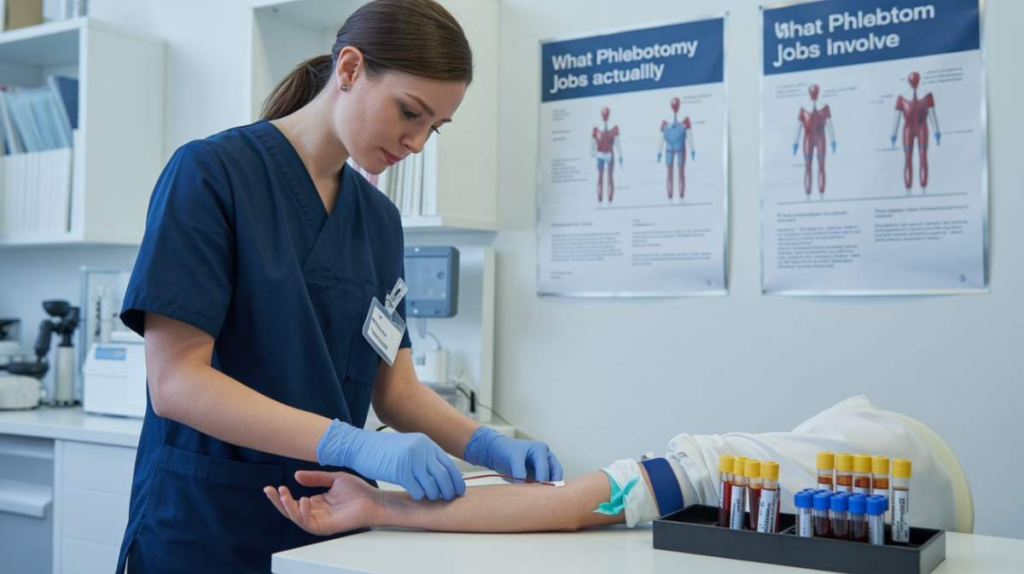
Phlebotomists work closely with patients and handle blood collection procedures. Their job is not just technical but also involves communication and care. They need to make patients feel comfortable during the process.
Daily tasks include preparing equipment, verifying patient details, and labeling samples correctly. Accuracy is very important because mistakes can affect test results. Attention to detail is a key part of this job.
Types of Phlebotomy Jobs You Can Apply For
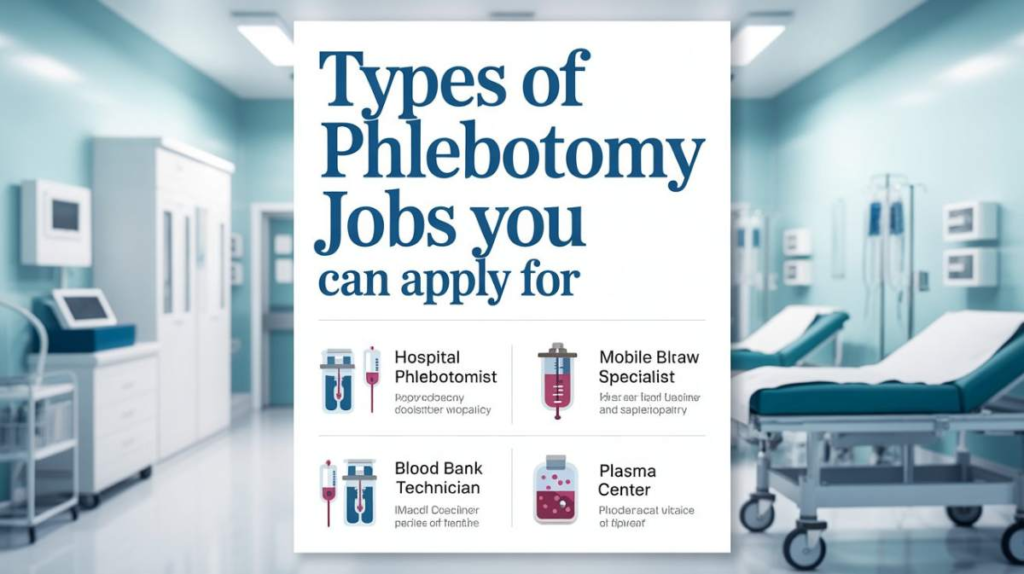
There are different types of phlebotomy jobs depending on where you work. Each role offers slightly different responsibilities and environments. This allows flexibility in career choice.
You can work in hospitals, diagnostic labs, or blood donation centers. Some professionals also work as mobile phlebotomists, visiting patients at home. This option is growing with demand for home healthcare services.
What it Takes to Get Hired: Critical Skills and Experience

To get hired in phlebotomy jobs, you need basic training and practical skills. Most employers look for certification from a recognized program. This proves that you understand the procedures and safety standards.
You also need good communication skills because you deal with patients daily. Being calm and confident helps in handling nervous patients. Attention to detail and hygiene practices are equally important.
How to Become a Phlebotomist (Step-by-Step Path)
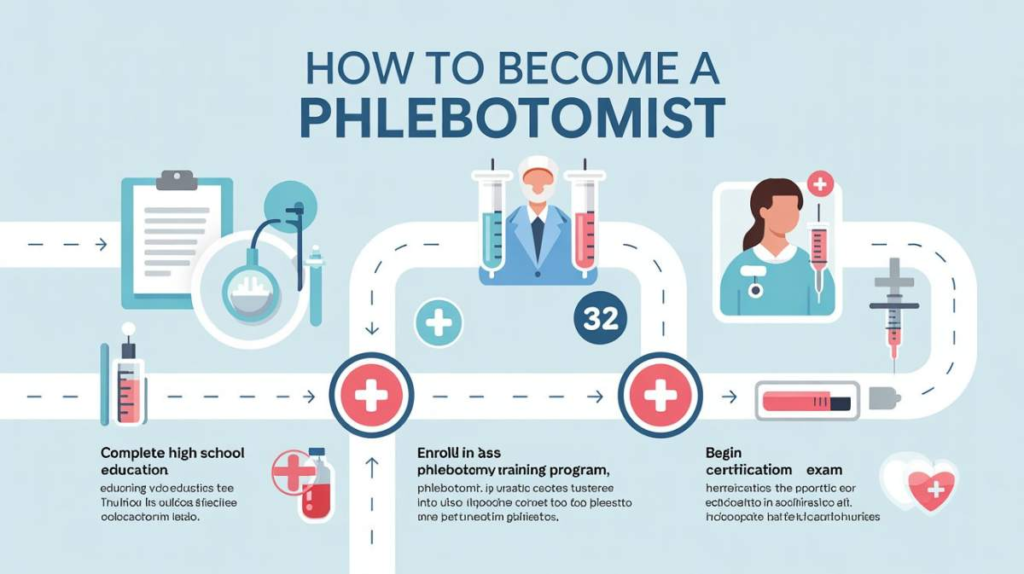
The process to become a phlebotomist is simple compared to other medical careers. First, you complete a short training program that teaches blood collection techniques. These programs usually take a few months.
After training, you may need certification depending on your location. Once certified, you can apply for entry-level jobs. With experience, better opportunities become available.
Phlebotomy Jobs Salary Breakdown (What You Can Earn)
Salary in phlebotomy jobs depends on experience, location, and workplace. Beginners usually start with a basic hourly rate. As experience increases, the pay also improves.
In many regions, phlebotomists earn a stable income with opportunities for overtime. Working in hospitals or specialized labs can increase earnings. This makes it a reliable career option.
Where to Find Phlebotomy Jobs (Best Platforms & Methods)
Finding phlebotomy jobs is easier if you know where to look. Online job platforms list many openings for beginners and experienced professionals. Hospitals also post vacancies on their websites.
Networking can also help you find opportunities faster. Training institutes often guide students in job placement. Applying directly to clinics and labs is another effective method.
Entry-Level Phlebotomy Jobs (No Experience Guide)
Many beginners worry about getting a job without experience. The good news is that entry-level phlebotomy jobs are available for fresh candidates. Employers often provide basic training on the job.
Internships and trainee positions are a good starting point. These roles help you gain practical experience. Once you build confidence, you can move to better positions.
Common Challenges in Phlebotomy Jobs (Reality Check)
Like any job, phlebotomy also comes with challenges. Some patients may feel nervous or afraid of needles. Handling such situations requires patience and confidence.
Work schedules can also be demanding, especially in hospitals. You may need to work shifts or weekends. However, with experience, managing these challenges becomes easier.
and gain more information read this artcle
Role of a Phlebotomist
A phlebotomist’s main responsibility is drawing blood from patients for medical tests, transfusions, or research. Although the task may sound simple, it is extremely important because doctors rely on accurate blood test results to diagnose illnesses and provide treatment. Phlebotomists also help patients stay calm during procedures, especially those who feel nervous around needles.
Benefits of Choosing a Phlebotomy Career
Phlebotomy offers several benefits for those entering healthcare. It requires less training time compared to many medical roles. This allows you to start earning sooner.
The demand for phlebotomists is steady and growing. It also provides a pathway to other medical careers. This makes it a smart long-term choice.
Phlebotomy Jobs vs Other Medical Careers (Quick Comparison)
Compared to other healthcare careers, phlebotomy has a faster entry path. You do not need years of education to start working.
While salaries may start lower than some roles, the experience gained is valuable. Many professionals use this as a stepping stone to advanced positions in healthcare.
Tips to Get Hired Faster in Phlebotomy Jobs
To accelerate your hiring process, adopting a strategic mindset is key. A well-organized and concise resume ensures you capture attention immediately. Make sure to emphasize your specific training alongside any hands-on experience you’ve gained.
Prepare for interviews by understanding basic procedures and safety rules. Confidence and communication skills make a strong impression. Certification can also improve your chances.
Final Thoughts: Is Phlebotomy the Right Career for You
Phlebotomy jobs are a great option if you want to enter healthcare quickly. They offer stability, growth, and real-world experience. The role is simple to start but important in practice.
If you are comfortable working with patients and handling medical tasks, this career can be rewarding. With the right training and effort, you can build a strong future in this field.
FAQs
What are phlebotomy jobs
Phlebotomy jobs involve collecting blood samples from patients for testing, transfusions, or research. These roles are common in hospitals and labs.
How can I get a phlebotomy job
You need basic training and sometimes certification. After that, you can apply for entry-level positions in hospitals or clinics.
Do phlebotomy jobs require certification
In many places, certification is required or preferred. It helps you get hired faster and shows your skills

Andrew Charley is a digital marketer and content writer at NextGen Taleem, focused on creating valuable and easy-to-understand educational content. He specializes in writing about online learning, student resources, and modern digital trends in education. His work aims to help students and learners find practical knowledge, improve skills, and stay updated in a fast-changing digital world.
