



Choosing the right criminal justice school is an important step for anyone planning a career in law enforcement, criminology, forensic studies, or the legal system. The quality of education you receive can shape how well you understand justice systems, ethical responsibilities, and real-world challenges within this field. That is why students today look beyond basic rankings and focus on schools that offer strong academic foundations along with practical learning.
Top criminal justice universities are known for their well-structured programs, experienced faculty, and focus on research-based knowledge. These institutions emphasize credibility, critical thinking, and exposure to trusted academic resources, helping students develop a broader and more reliable understanding of criminal justice. A strong introduction to these schools sets the stage for making informed and confident educational decisions.
What Defines a Top Criminal Justice School?

Not every criminal justice program offers the same level of quality or value. Top criminal justice schools stand out because of how they teach, what they teach, and how well they prepare students for real-world challenges. These institutions focus on more than just completing a syllabus; they build critical thinking, ethical awareness, and practical understanding of justice systems.
A high-quality criminal justice school proves its excellence through a balanced approach that combines academic strength, hands-on learning, experienced faculty, and strong ethical standards. Below are the key factors that define a truly top-tier program.
Academic Excellence and Curriculum Strength
Academic excellence is the foundation of any top criminal justice school. Strong programs offer well-designed courses that explain laws, policies, and justice systems in a clear and structured way. The curriculum is regularly updated to reflect modern crime trends, legal changes, and evolving justice practices, ensuring students learn relevant and accurate information.
Academic excellence is reflected through:
- Comprehensive and up-to-date course content
- Clear focus on criminal law, criminology, and justice systems
- An organized curriculum designed to move students from introductory ideas to a more advanced understanding
Practical Exposure and Applied Learning
Top criminal justice schools understand that theory alone is not enough. Students need practical exposure to truly understand how justice systems operate. Applied learning allows students to connect classroom knowledge with real situations, helping them develop confidence and problem-solving skills.
This practical focus prepares students to handle real cases, policies, and ethical decisions once they enter the professional field.
Faculty Experience and Professional Insight
Faculty quality plays a major role in defining a top criminal justice school. Experienced instructors bring real-world insight into academic learning, making complex topics easier to understand. Professors with backgrounds in law enforcement, legal systems, or justice research help students see how theory applies in practice.
Strong faculty experience includes:
- Industry or field-based professional background
- Ability to explain real case scenarios
- Guidance on ethical and professional decision-making
Research Quality and Ethical Standards
A top criminal justice school maintains high research and ethical standards. Programs encourage students to think critically, analyze evidence, and rely on credible information. Ethical education is essential in criminal justice, as professionals must make fair and responsible decisions.
High-quality academic content is often supported by trusted educational frameworks and relevant outbound authority references. When used naturally, these references strengthen credibility, improve understanding, and keep the content academically sound and balanced.
Top Criminal Justice Universities and Their Programs
This section focuses on leading universities known for their strong criminal justice programs and academic quality. It explains what each institution offers, how their programs differ, and which areas of criminal justice they specialize in, helping students make informed choices based on their career goals and academic interests.
Boston University – Criminal Justice and Criminology Programs

Boston University is widely recognized for its comprehensive approach to criminal justice education. The university combines academic depth with practical understanding, allowing students to explore crime, law, and justice systems in a structured and research-focused environment. Its programs are designed to prepare students for both professional careers and advanced academic study.
Top Programs Offered:
- Undergraduate and graduate programs in criminal justice and criminology
- Focus areas include crime analysis, criminal law, justice policy, and research methods
- Curriculum designed to explain justice systems at national and global levels
Academic Excellence and Learning Standards:
Boston University maintains high academic standards through a research-driven teaching approach. The criminal justice programs emphasize critical thinking, ethical responsibility, and evidence-based learning, which strengthens their academic credibility and professional value.
Learning Environment and Strengths:
- Strong focus on real-world case studies and contemporary justice issues
- Faculty members with academic expertise and practical insight
- Classroom discussions that connect theory with justice system challenges
Practical Takeaway:
Graduates from Boston University’s criminal justice programs are well prepared for careers in law enforcement, legal studies, policy analysis, and criminal justice research. The program is ideal for students seeking a solid academic foundation with long-term career flexibility and growth.
Northeastern University – Criminal Justice and Public Safety Studies
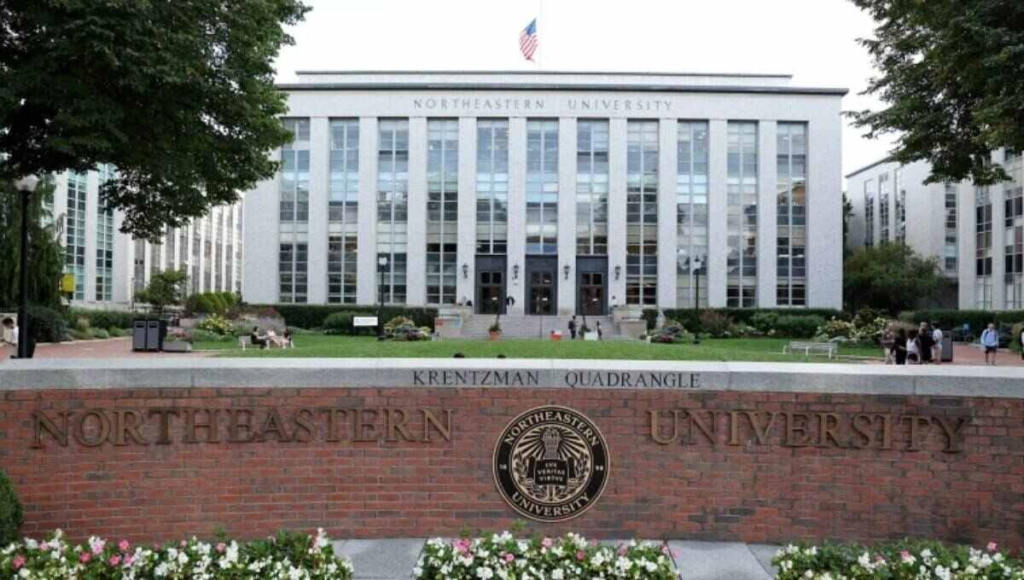
Northeastern University is known for its modern and career-focused approach to criminal justice education. The university places strong emphasis on experiential learning, helping students understand how criminal justice theories apply in real public safety and legal environments.
Top Programs Offered:
- Criminal Justice and Criminology programs at the undergraduate and graduate levels
- Focus on public safety, law enforcement, and justice policy
- Courses designed around contemporary crime and justice challenges
Academic Excellence and Learning Standards:
Northeastern maintains strong academic quality through applied research and interdisciplinary study. Its criminal justice programs are structured to develop analytical skills, ethical reasoning, and policy understanding.
Learning Environment and Strengths:
- Emphasis on experiential and practice-based learning
- Strong integration of classroom knowledge with real-world applications
- Faculty with academic and professional backgrounds
Practical Takeaway:
Graduates are well prepared for careers in public safety, law enforcement, policy analysis, and justice-related organizations, with skills that translate directly into professional settings.
Rutgers University – Criminal Justice Degree Programs
Rutgers University offers a comprehensive criminal justice education supported by strong research and academic depth. Its programs are designed to help students understand crime, justice systems, and legal processes from both theoretical and practical perspectives.
Top Programs Offered:
- Undergraduate and graduate degrees in criminal justice
- Coverage of criminology, law, corrections, and justice systems
- Research-focused academic structure
Academic Excellence and Learning Standards:
Rutgers is recognized for its rigorous academic framework and emphasis on evidence-based learning. The university promotes critical analysis and scholarly understanding of criminal justice issues.
Learning Environment and Strengths:
- Research-oriented learning environment
- Exposure to policy analysis and justice system studies
- Faculty with strong academic and research experience
Practical Takeaway:
The program prepares students for careers in law enforcement, legal services, corrections, research, and further academic study in criminal justice.
University of Georgia – Criminal Justice and Criminology Education

The University of Georgia provides a well-established criminal justice program with a focus on academic excellence and applied knowledge. The university emphasizes understanding crime patterns, justice systems, and the social impacts of criminal behavior.
Top Programs Offered:
- Criminal Justice and Criminology programs
- Strong focus on law, crime analysis, and justice policy
- Structured undergraduate and graduate study paths
Academic Excellence and Learning Standards:
UGA maintains high educational standards through a balanced curriculum that blends theory, research, and policy-focused learning.
Learning Environment and Strengths:
- Case-based learning and academic research exposure
- Supportive academic environment
- Focus on ethical and analytical thinking
Practical Takeaway:
Graduates are equipped for roles in law enforcement, criminal justice administration, policy development, and research-based careers.
John Jay College of Criminal Justice – Specialized Justice Programs
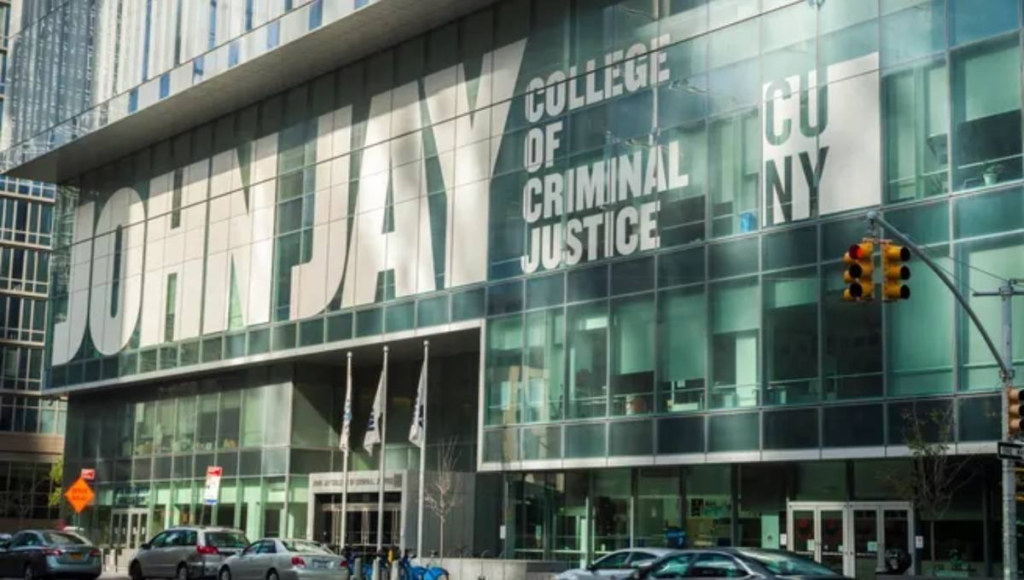
John Jay College is widely known for its dedicated focus on criminal justice and public safety education. The institution specializes exclusively in justice-related disciplines, making it a unique choice for students in this field.
Top Programs Offered:
- Criminal Justice, Forensic Studies, and Public Safety programs
- Undergraduate and graduate degree options
- Specialized justice-focused curriculum
Academic Excellence and Learning Standards:
The college emphasizes academic rigor and justice ethics, ensuring students develop a strong understanding of legal systems and public service responsibilities.
Learning Environment and Strengths:
- Justice-centered academic environment
- Faculty with professional and academic experience
- Strong focus on real-world justice issues
Practical Takeaway:
John Jay graduates are well prepared for careers in law enforcement, forensic analysis, public service, and justice system roles.
University of Washington – Criminal Justice and Legal Studies

The University of Washington offers criminal justice-related studies that emphasize legal systems, policy analysis, and research-based understanding of justice issues. The university supports interdisciplinary learning across law and social sciences.
Top Programs Offered:
- Criminal justice and legal studies programs
- Emphasis on law, policy, and justice research
- Flexible academic pathways
Academic Excellence and Learning Standards:
The university maintains strong academic credibility through research-driven education and high scholarly standards.
Learning Environment and Strengths:
- Interdisciplinary approach to justice studies
- Exposure to policy and legal analysis
- Supportive academic and research culture
Practical Takeaway:
Graduates gain strong analytical and research skills suitable for careers in legal services, public policy, justice administration, and further academic pursuits.
Making the Right Choice for a Future in Criminal Justice
Choosing a criminal justice university is more than selecting a well-known name; it is about finding a program that aligns with your goals, learning style, and long-term career plans. The universities discussed in this article stand out because they offer structured programs, strong academic foundations, and learning environments that prepare students for real challenges within the justice system.
A top criminal justice program should help you build critical thinking skills, ethical awareness, and a practical understanding of how justice systems operate. By focusing on program quality, academic standards, and career readiness rather than rankings alone, students can make informed decisions that support sustainable professional growth. The right university not only educates but also equips you with the confidence and knowledge needed to succeed in this demanding field.
Frequently Asked Questions (FAQs)
What is the difference between criminal justice and criminology?
Criminal justice focuses on law enforcement and justice systems, while criminology studies crime, its causes, and social impact. Many programs combine both for a complete understanding.
Is a criminal justice degree worth it?
Yes, it can be valuable for careers in law enforcement, public policy, legal support, and research. The program’s quality and practical exposure play a key role in its value.
What careers can I pursue after graduating in criminal justice?
Graduates can work in law enforcement, corrections, legal services, policy analysis, and public administration. Some also continue with advanced studies or law school.
Do top criminal justice universities offer both undergraduate and graduate programs?
Most top universities offer both undergraduate and graduate criminal justice programs. This allows students to choose based on their education level and career goals.
What should I look for when choosing a criminal justice university?
Focus on academic quality, faculty experience, practical learning opportunities, and career support. Looking beyond rankings helps in making a better decision.
