


If you are searching for the best flight schools in the USA, several institutions stand out for their pilot training programs, experienced instructors, modern aircraft fleets, and strong aviation reputations. Whether your goal is to become an airline pilot, commercial pilot, flight instructor, or aviation professional, choosing the right school can significantly influence your training experience and career opportunities.
The United States remains one of the most popular destinations for flight training because of its well-developed aviation infrastructure, FAA-regulated programs, diverse flying environments, and wide range of training options. However, not every flight school offers the same level of instruction, facilities, or career support. Understanding what makes a flight school worth considering can help you make a more informed decision.
Best Flight Schools in USA at a Glance
| Flight School | Known For | Best For |
| Embry-Riddle Aeronautical University | Aviation Education | Future Airline Pilots |
| ATP Flight School | Accelerated Training | Fast Career Path |
| University of North Dakota | Professional Pilot Programs | Aviation Degrees |
| Purdue University | Aviation and Technology | Degree-Based Training |
| FlightSafety Academy | Professional Pilot Development | Commercial Aviation |
| CAE Phoenix Aviation Academy | Airline-Focused Training | International Students |
| Western Michigan University | Aviation Programs | University Experience |
What Makes a Flight School Worth Considering?
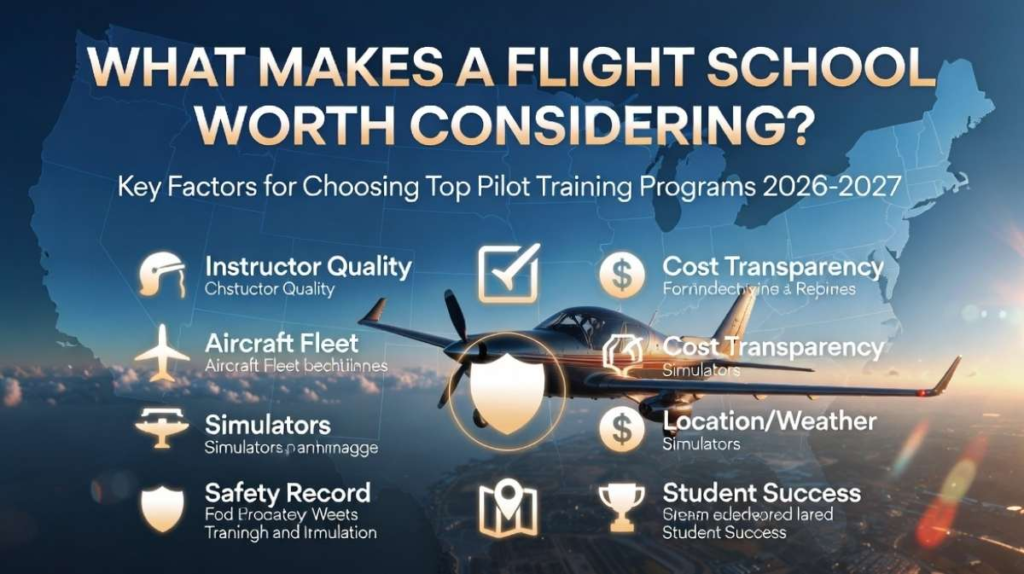
Choosing a flight school is about more than simply learning how to fly. A quality aviation program should provide structured training, experienced instructors, modern aircraft, and a strong safety culture. These factors often influence how effectively students develop their skills and progress toward their career goals.
While researching aviation training programs, one trend became clear. Experienced pilots rarely choose a school based solely on advertising or rankings. Instead, they focus on instructor quality, aircraft availability, training standards, safety practices, and graduate outcomes. These factors often have a greater impact on long-term success than a school’s marketing reputation.
Also Read : Top Criminal Justice Schools: A Complete Guide for Future Professionals
FAA Certification and Training Standards
FAA-approved training programs follow established requirements designed to promote safety and consistency. These standards help students develop the knowledge and practical skills required for professional aviation careers.
Instructor Experience
Flight instructors are among the most important parts of any training program. Skilled instructors help students build confidence, improve decision-making abilities, and develop safe flying habits that can benefit them throughout their careers.
Aircraft and Facilities
Access to well-maintained aircraft and modern training facilities can significantly improve the learning experience. Schools with larger fleets may also provide greater scheduling flexibility, reducing training delays.
Career Support
Many students enroll in flight school with the goal of becoming airline pilots. Schools that offer aviation career guidance, networking opportunities, and industry connections may provide additional value beyond basic flight training.
Embry-Riddle Aeronautical University
Embry-Riddle is often considered one of the most recognized names in aviation education. The university offers specialized aviation degrees alongside extensive flight training opportunities, making it attractive to students pursuing professional pilot careers.
One of its biggest strengths is its aviation-focused environment. Students are surrounded by fellow aviation enthusiasts, experienced faculty members, and industry resources that support long-term career development. This combination of academics and practical training has helped establish Embry-Riddle as a leading institution in aviation education.
ATP Flight School
ATP Flight School is known for its accelerated pilot training programs. Unlike traditional university pathways, ATP focuses heavily on helping students progress efficiently through various pilot certifications.
Many aspiring airline pilots choose ATP because of its structured training programs and strong focus on building the flight hours needed for an aviation career. For students seeking an efficient path to the airlines, ATP continues to be one of the most well-known and respected flight training organizations in the United States.
FlightSafety Academy
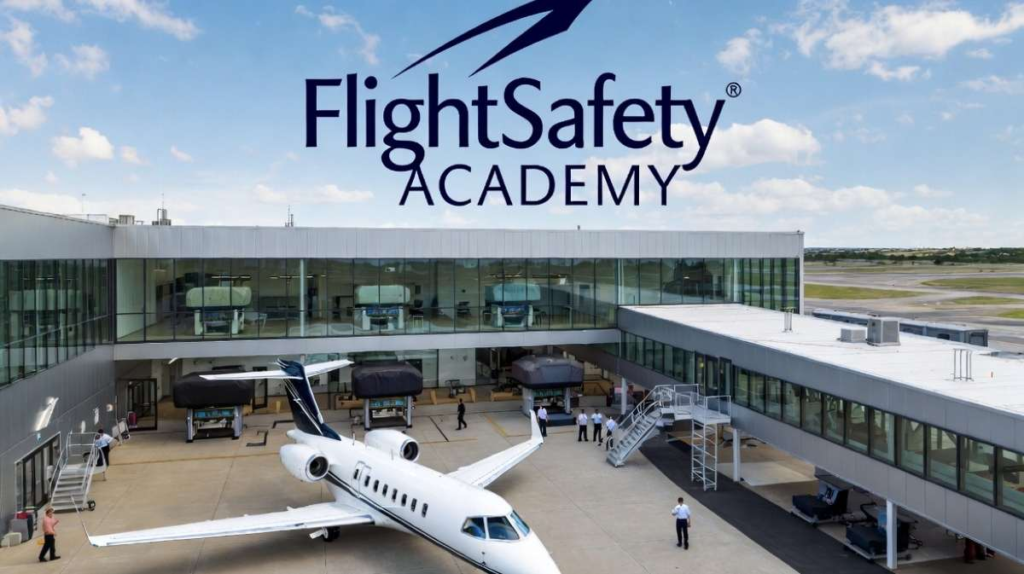
FlightSafety Academy focuses on professional pilot development and advanced aviation training. The academy is known for its emphasis on safety, structured instruction, and career-oriented programs.
Students benefit from a training environment designed to prepare them for commercial aviation careers. The academy’s approach appeals to individuals who prefer specialized aviation education over a traditional university experience.
CAE Phoenix Aviation Academy

CAE Phoenix Aviation Academy has become a popular option for students interested in airline-focused training. The academy provides programs designed to help aspiring pilots develop the skills required for professional aviation careers.
Its international reputation and training resources make it attractive to both domestic and international students seeking high-quality pilot training.
Best Flight Schools for Different Career Goals
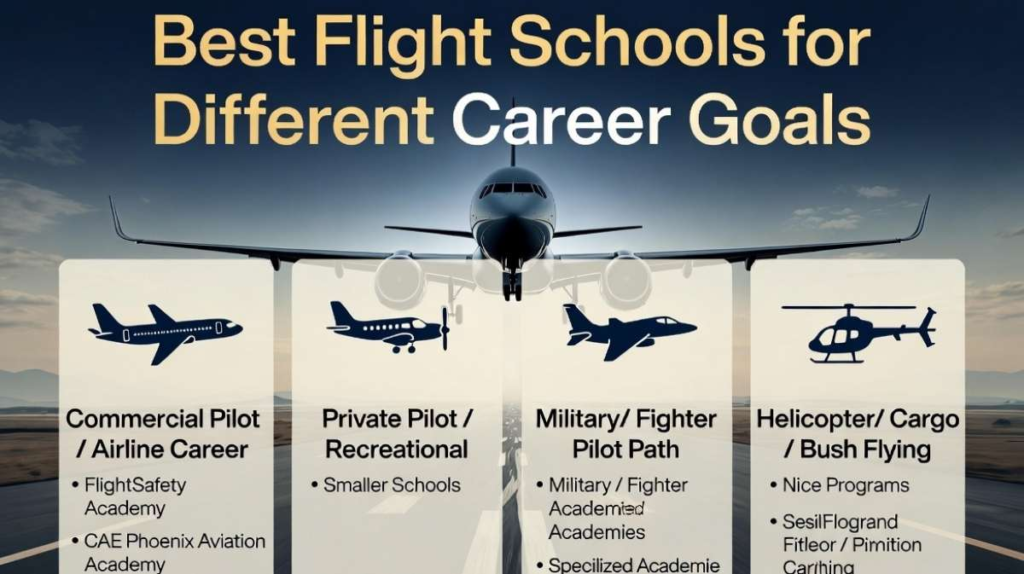
Not every flight school is ideal for every student. The best choice often depends on individual career objectives and preferred learning styles.
Best for Future Airline Pilots
Students pursuing airline careers often look for schools with strong professional pilot programs, structured training pathways, and opportunities to build flight hours efficiently.
Best for Aviation Degrees
Universities such as Embry-Riddle, Purdue, and the University of North Dakota offer degree programs that combine academic education with flight training.
Best for Accelerated Training
Students who want to complete their training as quickly as possible often consider specialized programs such as ATP Flight School.
Best for International Students
International students frequently choose schools that offer comprehensive support services, flexible training options, and globally recognized aviation credentials.
How Much Does Flight School Cost in the USA?
Flight training costs vary widely depending on the school, program structure, aircraft type, and certifications pursued. Students typically pay for flight hours, instructor time, ground school, examinations, and other training-related expenses.
Because aviation training involves multiple certifications and flight requirements, prospective students should carefully evaluate total program costs rather than focusing only on initial tuition figures. Understanding the full financial commitment can help prevent unexpected challenges later in the training process.
What I Learned While Reviewing Flight Training Programs
While researching flight schools and aviation programs, one observation appeared repeatedly. The schools with the strongest reputations were not always the most expensive or the most heavily marketed. Instead, successful programs consistently emphasized safety, instructor quality, aircraft maintenance, and student support.
Many experienced pilots also stressed the importance of choosing a training environment that matches personal learning preferences. A school that provides strong mentorship, reliable scheduling, and consistent instruction often contributes more to student success than reputation alone.
Career Opportunities After Flight School
Graduates of flight training programs may pursue a variety of aviation careers. While many aspire to become airline pilots, aviation offers numerous other professional pathways.
Potential career options include:
- Airline Pilot
- Commercial Pilot
- Corporate Pilot
- Cargo Pilot
- Flight Instructor
- Charter Pilot
- Aviation Operations Specialist
- Aviation Manager
As global aviation continues to evolve, skilled pilots and aviation professionals remain important to the industry’s growth and development.
How to Choose the Best Flight School in USA
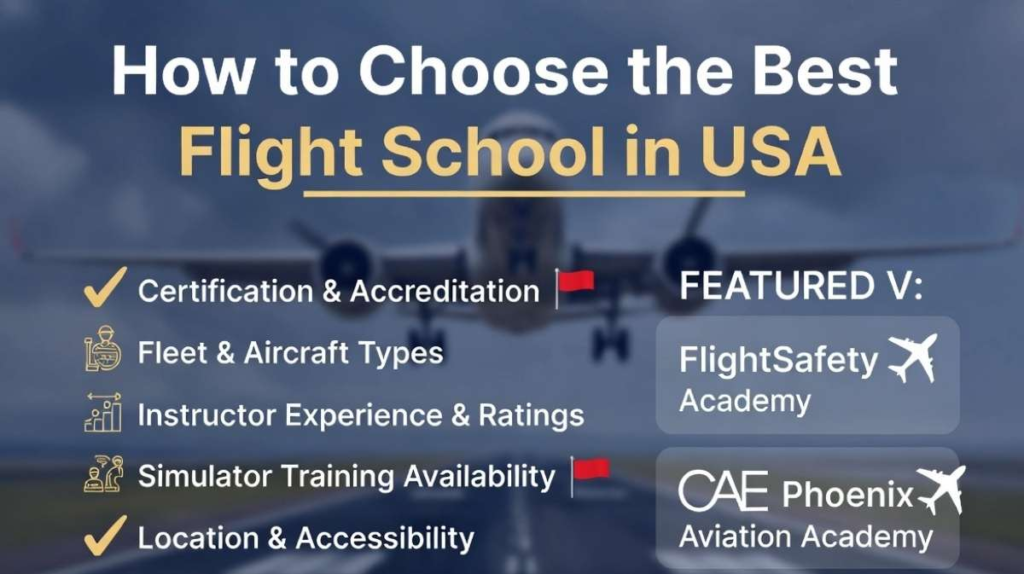
Before selecting a flight school, prospective students should evaluate training quality, instructor experience, safety standards, facilities, career support, and overall program structure. Visiting campuses, speaking with current students, and reviewing graduate outcomes can provide valuable insight into the student experience.
The best flight school is not necessarily the one with the highest ranking. Instead, it is the school that aligns with your career goals, learning style, budget, and long-term aviation ambitions.
Frequently Asked Questions
Which is the best flight school in the USA?
Many aviation professionals consider Embry-Riddle Aeronautical University among the most respected aviation institutions because of its strong pilot training programs and industry reputation.
How much does flight school cost in the USA?
Costs vary depending on training goals, certifications, aircraft usage, and program structure. Students should review complete program expenses before enrolling.
How long does it take to become a pilot?
Training timelines vary based on program type and individual progress. Accelerated programs may allow students to complete certifications more quickly than traditional pathways.
Can international students attend flight schools in the USA?
Yes. Many flight schools and aviation universities welcome international students and provide specialized support services.
Is flight school worth it?
For individuals pursuing aviation careers, flight school provides essential training, certifications, and experience needed to enter the industry.
What qualifications do you need to attend flight school?
Requirements vary by school, but students generally need to meet age, medical, and educational requirements before beginning pilot training.

Andrew Charley is a digital marketer and content writer at NextGen Taleem, focused on creating valuable and easy-to-understand educational content. He specializes in writing about online learning, student resources, and modern digital trends in education. His work aims to help students and learners find practical knowledge, improve skills, and stay updated in a fast-changing digital world.
